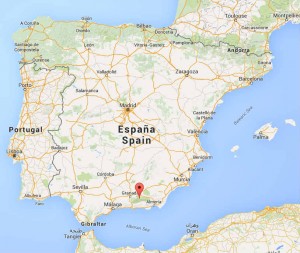
Potato between 5 and 10 cm in size, rounded polyhedral in shape, with numerous shoots germination. Ivory-earth colored skin and very white interior, hence the name of the potato: ‘snowflake’; this is a typical characteristic of high mountain tubers. The historic production area of this potato has always been the land between 1000 and 2000 meters in the Sierra Nevada mountains, preferably land formed from the degradation of schists and siliceous phyllites, typical of the geology of the Sierra Nevada Natural Park. Cultivation of the potato has always been connected to different local groups of farmers in the various villages of the Sierra Nevada, who mainly grew it for local consumption and for use as a seed source for later planting in the middle and low fertile valleys of the province. Farmers say the historical records of this mountain potato variety date back to the 13th and 14th centuries, and it has remained the traditional product for many farmers in the area. There is also mention of links of this variety to the one currently grown in high parts of the Pyrenees, and one can presume the two varieties are directly related. There is reference to its historic origin in the Andes, as described on the website http://www.redepapa.org, which contains the following information: All the children of Inca woman subsisted on potatoes. They ate potatoes twice a day, fresh, in bread, dry or freeze-dried. In order to mark his status, the Yngha, Son of the Sun, ordered the rarest sorts of potato to be served to him, such as the white ones from the high mountains. Two hundred and twenty varieties of potatoes were collected by the French botanist La Barre, three centuries later. The Indians did not have another bread, declared the Jesuit Cobo, in his History of the New World, who, like the other chroniclers, judged the humble potato to have a flavor like chestnut. This potato has been grown in the historic area of the Sierra Nevada mountains for several centuries, but it is difficult to keep the production going, as there are only two old farmers who continue to grow the variety. At present there is an agreement with the main producers of the zone to produce 500 kg of seed. This will hopefully revive the product, which is also planted in the middle and low valleys. The potato is best grown according to the following cycle: May-September: High Mountains. February-June: Fertile land in middle mountains (600-800 m). October-February: Low fertile land of the coast, returning again to close the cycle by growing the seed in the high Sierra Nevada.
Back to the archive > Students of the Gastronomic Sciences at Pollenzo are collaborating with Slow Food to fill the Ark.
Other info
| Categories | |
| Nominated by: | José Luis Rosúa Campos - Convivium Slow Food di Granada |