Vinagre Orduña Ozpiñ
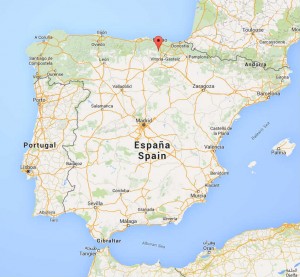
It is produced exclusively with the local variety of Txakoli wine – called Hondarrabi Zuri – through a traditional production process. The Txacoli wine is placed in wooden barrels and Mycoderma aceti bacteria are added. These bacteria are fed with the Orduña honeys obtained from local bees. After four months, a sour tasting liquid is obtained which is then transformed into Ozpin txakoliña by acetic fermentation. A small amount of honey from Orduña beekeepers is added to the first barrel containing acetic bacteria. The honeys are obtained from native bees visiting local flowers, as has been done since ancient times. The honey activates the bacteria so they “receive a boost”. The first barrel holds 400 liters of must from the native Ondarrabi zuri variety and the quantity of honey is never greater than 0.5%. It remains in the barrels for 4 months, and it is then decanted into three other barrels and filtering processes carried out. 400 liters yield 25% of vinegar. Its traditional area of production is Orduña, inside the Historical Territory of Bizkaia. In this agricultural centre, not even a litre of txakoli was ever wasted; when it was no longer good to be drunk as wine, it would be used for the preparation of pickles and preserves and as a traditional preservation method. Orduña was the customs centre between the Castilian plateau and the coast. In the past a law protected local products, so that no wines from the plateau could be imported until the last drop of local txakoli had been consumed. This vinegar was used under the reign of Charles III.
Back to the archive >