


Taperiba
Taperiba, also known as mango ciruelo, is a variety of mango, which is not produced on as large a scale as other Peruvian varieties.
The taperiba tree is diffused in some areas of the Selva and the Sierra in Peru, where the altitude does not surpass 700 meters above sea level: it is mostly found in small cultivations in the north of the country, in the areas of Morropón, Piura and close to Sullana.
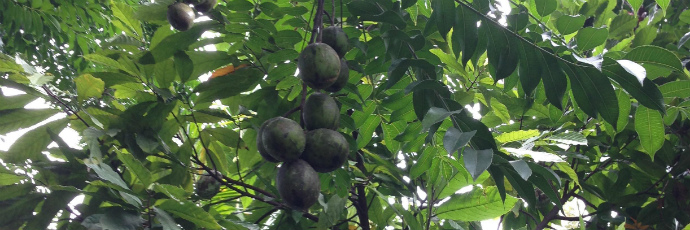
The tree can reach a height of almost 20 meters and the trunk is recognizable by its round protuberances called tapisho, found along its entire length. It is distinguishable from other types of mango because of its small size, oval shape and green or orange skin. Within the fruit, there are 3 or 4 elongated seeds, and the pulp has a sweet and sour, very strong flavor. The fruits are harvested manually between July and October, after they have fallen to the ground. Traditionally, the mango was boiled in water to prepare an infusion with a high content of ascorbic acid, calcium and iron, used to prevent and cure coughs in rural areas.
In these areas, the mango ciruelo is not very common, despite its considerable properties: This fruit is at risk of disappearance because of the scarce demand and because local farmers prefer more productive and sellable varieties.
The primary gastronomic uses of this product are the consumption of the fresh fruit, the preparation of beverages, jams, conserves, sweets and a diuretic wine, which can also ease pain from cystitis.

