


Formby Asparagus is white at the base, green through the stem, with a purple tinged tip. Formby, near Liverpool, was once nationally famous for the quality of its award-winning asparagus grown on the fine, sandy soil of the local dunes. During its six-week season (May – mid June), it was supplied regularly to the large ocean liners on their transatlantic crossings. Until the mid nineteenth century this coastal area received considerable supplies of fertilizer in the form of “night-soil” from Liverpool (a sewer system had not yet been completed). This enabled farmers to “improve” and bring into cultivation the previously uncultivated rear-dune area as once the asparagus crowns had reached the end of their productive life (10-15 years) the ground was exhausted. At the height of production some 200 acres were under cultivation. New asparagus crowns are grown from seed saved from the old plant. After their first year, the crowns are transplanted into a 20cm deep trench and a ridge 8cm high piled up around them. The first cutting can be taken in the third year. Whilst tractors are now used to manage the land, the crop is cut by hand. Formby asparagus is fast growing and does not tend to require pesticides nor irrigation; herbicides are not used. Both the Formby Civic society and the National Trust (who own Formby Point) are involved in schemes to protect this traditional product.
Back to the archive >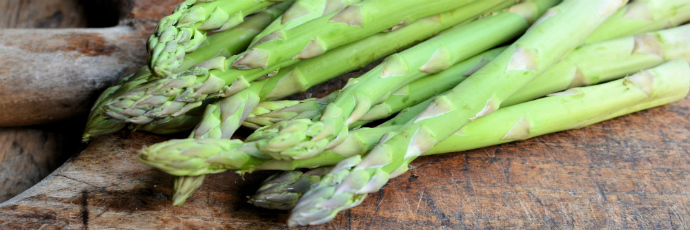
 Students of the Gastronomic Sciences at Pollenzo are collaborating with Slow Food to fill the Ark.
