


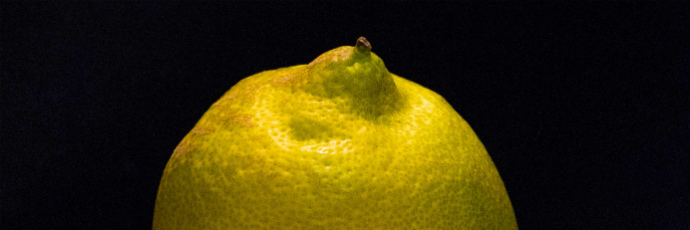
Limon dulce del Guadalhorce
The Guadalhorce sweet lemon, named for the valley (and river) in southern Spain where it grows, is an incredibly aromatic citrus fruit with an exceptionally sweet flavor. On the outside it looks like a classic lemon, but the taste has absolutely no trace of tartness. This fruit is used to prepare desserts, salsas, and is even eaten fresh. It was named for the first time, in 1789, in the antique texts of Convesaciones Malaguenas. Harvesting takes place twice per year, in the autumn and spring. The sweet lemon is fairly resistant to the cold, even though like all citrus fruits it grows much better in warmer climates.
This is a very old variety of lemon that is grown strictly for personal consumption, as a substitute for vinegar or for common lemon. Its sweet flavor, though delicious, does not give dishes the classic sour element like other lemons and this has probably hurt the fruit, from a sales and development point of view. What’s more, when these lemons become ripe they are only good for two or three days, so it is only logical that they are consumed by locals, but they are still unknown on the market.
The typical production area is called, with good reason, “lemon valley”: Andalucia, Malaga province and the Guadalhorce Valley. Since only a few families have these plants in their gardens, and these are often incredibly old, the Guadalhorce sweet lemon is at risk of disappearing in the next few decades.
Back to the archive >
