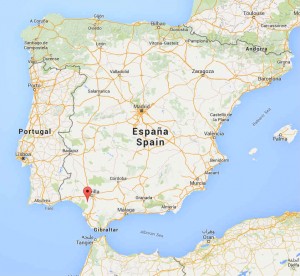
This meat comes from free range cattle raised and living all year long in an incomparable natural environment, the organic reserves of Doñana o Coto and Guadiamar, in Doñana National Park. As opposed to the rest of the fauna that inhabit these places (deer, partriges, etc.), its status as a “domesticated animal” means that farms must adhere to a tightly controlled restriction on their use of the population, not exceeding the number determined by the National Park’s Plan de Aprovechiamento Ganadero (planned of use of breeds). These are places with a high ecological value which cannot be used for farming or cattle breeding, where cattle live in a wild state. Its coat is multi-colored and often has white spots, a characteristic that distinguishes it from the other breeds. Historical records date back the current use of pastures in the Doñana area to the 13th century. This is also confirmed by the fact that in the 17th century profits were like present days. (Juan Calderón. 2008. “La vaca Mostrenca de Doñana”. Serie Técnica. National Park Independent Body). The historic area of production includes all the marismas (marshes) of Guadalquivir and Doñana, i.e. Doñana National Park territory and environment. Current production is mainly located in the two Organic Reserves inside Doñana National Park, around 6000 hectares out of the reserve territory, even if inside the National Park there are some private farms implementing a similar system. These breeders were very active before the creation of the National Park and, when the Park was set up, their property and grazing rights were kept for the amount of owned cattle. The marismeño is an endangered breed according to the Royal Decree 1682/1997, of 7th November, updating the official catalogue of Spain’s animal breeds and law APA/2420/2003, of 28th August, amending the official catalogue of breeds raised in Spain.
Back to the archive > Students of the Gastronomic Sciences at Pollenzo are collaborating with Slow Food to fill the Ark.