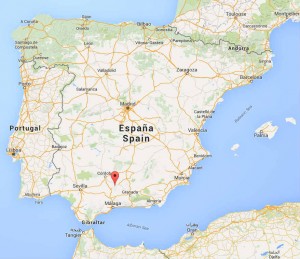
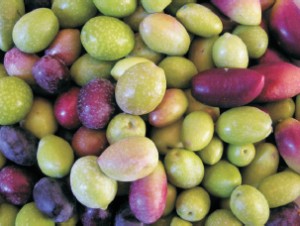
The olive oil produced in the municipality of the Cordovan Zuheros is unique thanks to the specific olive varieties that are used. In the small area of usable land in the region (southeast of Córdoba in southern Spain), and surrounded by forest vegetation on all four sides, traditional olive groves are cultivated. In these groves one can find dozens of variations that are not always identified and are of a largely local nature. Recent analysis done in the region has demonstrated that there is much genetic diversity in the groves. This diversity is typical of olive groves in the mountain ranges that have existed for longer than a century and have an extensive cultivation system. This is much different than the mono-varietal groves that have expanded more recently. Studies done by the Junta de Andalucia, the Ministry of Agriculture and the International Council of Olive Oil refer to the importance of having multiple variations of the olive groves of the area. The Germoplasm Bank of Olive Trees at the University of Córdoba has found at least ten varieties that had already been established in previous studies, in addition to eight varieties that had not been previously detected. Sensory analysis and evaluation has distinguished a number of local olives for their high quality, such as the ‘Hendero’, ‘Torcio de Zuheros’, ‘Campero Sevillano’, ‘Nevado Basto de Zuheros’, ‘Habichuelero’, and ‘Datilero’. Zuheros extra virgin olive oil is produced in the territory of Zuheros and, to some degree, the other municipalities within the Guarantee of Origin area of the Baena Olive Oil are the areas known for this product. The olive oil is mainly prepared and sold by the olive producer cooperative of Zuheros, an organization that contributes to the authenticity of the olives and olive products of this municipality, unique for their richness and complexity. Multiple historical studies of the region refer to the historical importance of cultivating the olive groves in these areas in a prominent manner since the 19th century.
Back to the archive > Students of the Gastronomic Sciences at Pollenzo are collaborating with Slow Food to fill the Ark.