Slow Food
  • Donate
  • Join us
  • Italian
  • English
Slow Food Foundation

Search

  • Home
  • About us
    • What is the Foundation?
  • What We Do
    • Slow Food Gardens in Africa
    • Slow Food Presidia
    • Ark of Taste
    • Slow Food Cooks’ Alliance
    • Earth Markets
    • What is the Narrative Label?
  • Get involved
    • Why Support Us
    • Italian Slow Food Presidia Sponsors
  • Multimedia
    • Publications
    • Video
    • Gallery
    • News archive
    • Photo archive
  • Contacts
Slow Food Foundation Slow Food Foundation
  • Home
  • About us
    • What is the Foundation?
  • What We Do
    • Slow Food Gardens in Africa
    • Slow Food Presidia
    • Ark of Taste
    • Slow Food Cooks’ Alliance
    • Earth Markets
    • What is the Narrative Label?
  • Get involved
    • Why Support Us
    • Italian Slow Food Presidia Sponsors
  • Multimedia
    • Publications
    • Video
    • Gallery
    • News archive
    • Photo archive
  • Contacts

Search

Home » 10.000 Orti in Africa » Upendo School Garden

Upendo School Garden

Back to the archive >

Kenya

Rift Valley

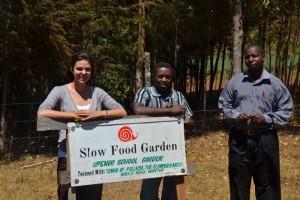
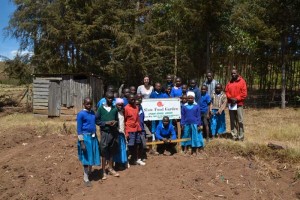
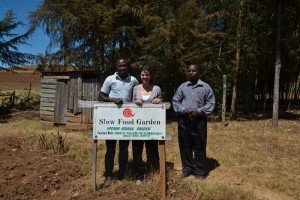
The Upendo primary School is situated at the little village of Kangawa. The school has 200 students which came mainly from families that practice small-scale farming. The garden stands on a about half acre plot of land and hosts, among others, potatoes, beans, peas and kales (a type of cabbage rich in beta carotene and vitamin C). To prevent garden pests and diseases the students have planted the Mexican Marigold (also called tagetes, an herbaceous plant of sunflower family). The challenges for the next years are various as well as the school goals: they want to buy some tanks for the rainwater harvesting, organize training sessions on multiple issues like soil fertilistion and seed saving and diversify the crops grown in the garden.

Garden Location
Upendo Primary School, Kangawa village, Nakuru district

Coordinator
Bernard Kamau
Products

  • Potato
  • Bean
  • Green pea
  • Curly kale
  • African marigold

Slow Food in Kenya

Kenya, the richest and most dynamic East African country, whose capital Nairobi is home to a series of major international institutions (the UN, FAO, World Bank and others), has for years embodied great contradictions and is constantly grappling with difficult challenges. These include the internal movement of people due to climate change—the extended droughts experienced over the last 30 years are becoming increasingly frequent and intense—and political instability, as well as constant pressure from multinationals on the government, pushing Kenya to focus on production for export. This is resulting in the pollution and depletion of resources, arable land speculation and the privatization and financialization of public services. In 2016 the National Assembly Committee of Agriculture confirmed a ban on GMO cultivation, but experiments continue. The main investments in the national agriculture sector, which engages around 75% of the population, are focused on specific categories (maize and grains, intensive livestock farming) and revolve around increased productivity rather than differentiated production, better environmental sustainability or the improved distribution of community goods. Slow Food has been active in Kenya since 2004 and now has a strong network working to defend local biodiversity, promote sustainable food production and responsible consumption and create links between indigenous groups, herders and farmers and producers and cooks. The association is formally registered and recognized by the government and partners with local and international organizations, public authorities, institutions and the media. Young people are involved in the Gardens in Africa project and the fight against food waste, promoting sustainable agriculture, raising awareness about threats to food sovereignty, encouraging peaceful coexistence between communities through knowledge exchanges and fostering pride in Kenyan culinary traditions. The important task of mapping foods at risk of extinction has been going on over the last few years, leading to a book on Ark products in Kenya and the launch of several Presidia, thanks to the involvement of an extensive network and collaboration with the University of Gastronomic Students. Through the Slow Food scholarship program, so far more than 10 students from the country have been able to study at the university in Italy. The Chefs’ Alliance was launched in 2016 and the Slow Travel responsible tourism initiative has started to raise awareness among consumers and visitors on local foods and initiatives and sustainable development. Blog: slowfoodkenya.wordpress.com

Garden Informations

Type:School Garden
Surface in m2:2024
People involved:52
Slow Food Convivium:Central Rift Convivium
Coordinator:John Kariuki Mwangi
Sibling with:Town of Pollica, the flowers Angelo would have wanted, Italy

Photos

Subscribe to the newsletter

Slow Food gratefully acknowledges funding support from European Union. The contents of this website are the sole responsibility of Slow Food and the CINEA is not responsible for any use that may be made of the information contained therein.
Slow Food - P.IVA 02743970044 - Privacy Policy - Cookie Policy - All rights reserved
Powered by Blulab