Slow Food
  • Donate
  • Join us
  • Italian
  • English
Slow Food Foundation

Search

  • Home
  • About us
    • What is the Foundation?
  • What We Do
    • Slow Food Gardens in Africa
    • Slow Food Presidia
    • Ark of Taste
    • Slow Food Cooks’ Alliance
    • Earth Markets
    • What is the Narrative Label?
  • Get involved
    • Why Support Us
    • Italian Slow Food Presidia Sponsors
  • Multimedia
    • Publications
    • Video
    • Gallery
    • News archive
    • Photo archive
  • Contacts
Slow Food Foundation Slow Food Foundation
  • Home
  • About us
    • What is the Foundation?
  • What We Do
    • Slow Food Gardens in Africa
    • Slow Food Presidia
    • Ark of Taste
    • Slow Food Cooks’ Alliance
    • Earth Markets
    • What is the Narrative Label?
  • Get involved
    • Why Support Us
    • Italian Slow Food Presidia Sponsors
  • Multimedia
    • Publications
    • Video
    • Gallery
    • News archive
    • Photo archive
  • Contacts

Search

Home » 10.000 Orti in Africa » St. Leo Primary School Garden

St. Leo Primary School Garden

Back to the archive >

Lesotho

Lesotho

St. Leo is a primary school in Ha Makhoathi village in the Maseru district of Lesotho.
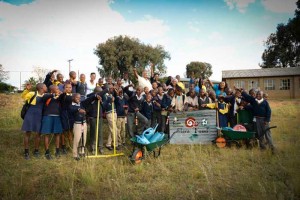
The school has 250 pupils ranging in age from 7 to 13 years old, 85 of whom are either sick, vulnerable, or orphans. The rest of the children are either social orphans, children from single parent homes, or children with some kind of disability.
The school is situated on a large piece of land and relies completely on government assistance and private donations. The school has an enclosure for poultry farming and also one for pigs. They also have two cows and one bull, all of which have been donated. The milk from the cattle and all other animal produce is used to feed the students for lunch.
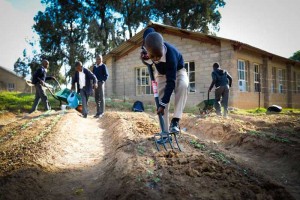
The school has two pieces of land for gardening that are both 2,400 m2 in size. The soil from the garden is rich in cow manure as it is close to the cow enclosure. The soil is suitable for vegetables like rape, spinach, beans, peas, peppers, and carrots in the warmer months, while cabbage and potatoes are grown in the colder season. The sick, orphans and vulnerable children are also given some vegetables to take home. The teachers and principal understand the importance of good nutrition for the children and they are eager to provide a good, clean and fair garden which is in line with the Slow Food philosophy and not only benefit the children, but the community and environment as well.
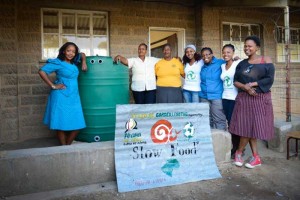
They would like to purchase a water tank to collect water to bring irrigation closer, new tools for the gardening, and seeds. The pupils are involved in the gardening as it is also one of the subjects at the school, but because of their young ages, they get a lot of help and guidance from the teachers and parents to maintain the garden.

Area
Ha Makhoathi village, Maseru district

Coordinators
Nelly Sophonia
Theresia Thlabeli
Keneuoe Senekane
Lebohang Mabitso
Tsele Lemao
Products

  • Spinach
  • Bean
  • Green pea
  • Carrot
  • Cabbage
  • Potato
  • Bell pepper
  • Mustard greens

Slow Food in Lesotho

Lesotho is a small landlocked country, completely surrounded by South Africa. Mostly mountainous and green, it is known as the “Kingdom in the Sky.” Only a small fraction of the land is arable, though almost half the population is engaged in subsistence agriculture. But this primary sector is not able to meet the needs of the population, so much of Lesotho’s food is imported from South Africa. The small Slow Food network in Lesotho works on promoting traditional gastronomy and the use of local foods.

Garden Informations

Type:School Garden
Surface in m2:4800
Coordinator:Sekamotho Mirriam Moteane
Sibling with:Slow Food Feltrino Convivium, Italy

Photos

Subscribe to the newsletter

Slow Food gratefully acknowledges funding support from European Union. The contents of this website are the sole responsibility of Slow Food and the CINEA is not responsible for any use that may be made of the information contained therein.
Slow Food - P.IVA 02743970044 - Privacy Policy - Cookie Policy - All rights reserved
Powered by Blulab