Slow Food
  • Donate
  • Join us
  • Italian
  • English
Slow Food Foundation

Search

  • Home
  • About us
    • What is the Foundation?
  • What We Do
    • Slow Food Gardens in Africa
    • Slow Food Presidia
    • Ark of Taste
    • Slow Food Cooks’ Alliance
    • Earth Markets
    • What is the Narrative Label?
  • Get involved
    • Why Support Us
    • Italian Slow Food Presidia Sponsors
  • Multimedia
    • Publications
    • Video
    • Gallery
    • News archive
    • Photo archive
  • Contacts
Slow Food Foundation Slow Food Foundation
  • Home
  • About us
    • What is the Foundation?
  • What We Do
    • Slow Food Gardens in Africa
    • Slow Food Presidia
    • Ark of Taste
    • Slow Food Cooks’ Alliance
    • Earth Markets
    • What is the Narrative Label?
  • Get involved
    • Why Support Us
    • Italian Slow Food Presidia Sponsors
  • Multimedia
    • Publications
    • Video
    • Gallery
    • News archive
    • Photo archive
  • Contacts

Search

Home » 10.000 Orti in Africa » Families SOS Children’s village Community Garden

Families SOS Children’s village Community Garden

Back to the archive >

Ethiopia

Addis Ababa

SOS Children’s Village is a social-development organization that enables children to have a home with parents or caregivers. The first SOS Children’s Village in Ethiopia was opened in 1974, and including Addis Ababa SOS Children’s Village, the program is now running in seven regions in the country. In line with Slow Food’s Gardens in Africa project, the village wants to encourage residents to use the land to produce some of their food.

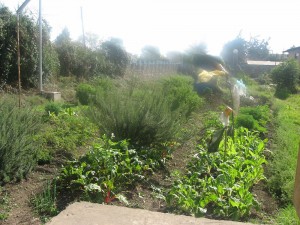
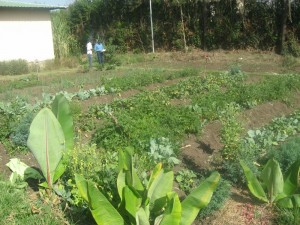
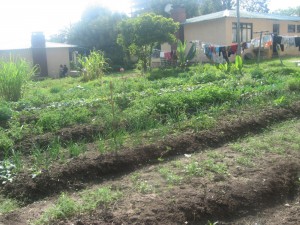
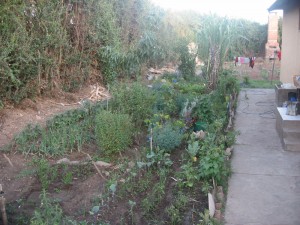
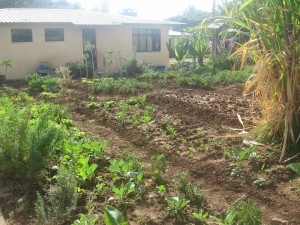
In Addis Ababa, the village is located in an old airport, below the St. Gabriel church and has a kindergarten, family homes and youth facilities. There are about 15 homes within the village in Addis Ababa, each with their own garden spaces. Each home hosts 10 children, aged 1 to 16. Out of the 15 families, the garden managed by Ejegayehu, the mother figure and caregiver for 10 children, although quiet small in size (200 m2) is by far the most diversified and well maintained. The plan is to make her 160-square-meter garden a model for other families to follow. Ejegayehu sees her garden like a friend and spends most of her spare time there. With the help of her children, Ejegayehu grows Swiss chard, local kale, carrots, cabbage, tomatoes, beetroot, chili peppers, ensete (the “false banana” plant, indigenous to Ethiopia, whose leaves and roots are used) and sugarcane. Herbs such as rue, local basil, rosemary, parsley and celery are also planted in the garden. Fruit trees of avocado, papaya, casmir and sugar cane have also been planted around the house. The products of the garden are used to prepare meals for the children. The children take turns assisting Ejegayehu with planting, watering and weeding the garden.

Having attended the 10,000 Gardens in Africa project training held in Addis Abeba in February 2016, Ejegayehu has been motivated to further diversify her garden and share her skills with other families in the village. She has also learned about the concept of ecological gardening and realized the harm the eucalyptus tree she planted near her garden is causing to her vegetables, and plans to remove it. She has also made plans to improve her design to incorporate soil-improvement and water-harvesting techniques.

Area
Old airport area, Addis Abeba

Coordinator
Tiginesh Mitik Beyene
Products

  • Chard
  • Beetroot
  • Carrot
  • Cabbage
  • Tomato
  • Chilies
  • Sugarcane
  • Parsley
  • Basil
  • Celery
  • Rue
  • Rosemary

Slow Food in Ethiopia

Slow Food has been active in Ethiopia since 2006, launching numerous projects in support of the most vulnerable local communities: nomadic herders, traditional forest beekeepers, wild coffee harvesters, indigenous groups and others. Through the Presidia and working with the communities, training activities have been run to strengthen the organization of small-scale producers and to promote and improve the quality of various foods like honey, camel milk, coffee, traditional grains and spices. Slow Food coordinators promote agroecological techniques—applying them in school and community food gardens—in the most diverse ecosystems, from forests and highlands to nature reserves and semi-arid zones. They are also working to save biodiversity and traditional knowledge. A number of educational projects have objectives that include the involvement of young people and women and awareness-raising around themes of strategic importance at a national and international level: the privatization of resources, the use of toxic chemicals in agriculture, the right to land. Educational materials have been produced in Amharic and Oromo, the main local languages. Every year, Ethiopian delegates participate in Slow Food’s international events (Salone del Gusto and Terra Madre, Indigenous Terra Madre, Cheese, Terra Madre Giovani and more) as well as other events thanks to collaborations with different organizations.

Garden Informations

Type:Community Garden
Surface in m2:160
Coordinator:Tiginesh Mitik Beyene
Sibling with:Table for Two International

Photos

Subscribe to the newsletter

Slow Food gratefully acknowledges funding support from European Union. The contents of this website are the sole responsibility of Slow Food and the CINEA is not responsible for any use that may be made of the information contained therein.
Slow Food - P.IVA 02743970044 - Privacy Policy - Cookie Policy - All rights reserved
Powered by Blulab