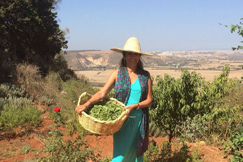
La Palette School Garden
Back to the archive >Slow Food in Senegal
Despite a diversified industrial base, agriculture and fishing are the dominant sectors in Senegal’s national economy and employ 50% of the active population. Agriculture, in particular, underwent profound transformations during the colonial period, with the gradual replacement of subsistence crops with monocultures destined primarily for export, like peanuts. This led to changes in the food habits of the Senegalese. For example, in urban areas rice is now eaten every day instead of millet and fonio; though hardy, better suited to the local environment and incredibly nutritious, these grains are now considered “poor.” The Slow Food network has been developing here since 2004, working on food education in schools and creating educational food gardens. The mapping of local foods and dishes led to the creation of the Fadiouth Island Salted Millet Couscous Presidium. Members of Italy’s Senegalese diaspora are now also getting involved in setting up sustainable agricultural activities in their home country.
Garden Informations
| Type: | School Garden |
| Coordinator: | Comlan Philippe Dani Zingan |