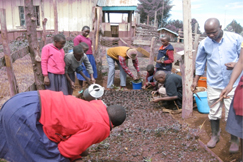
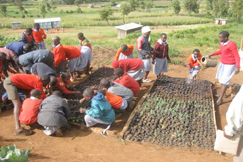
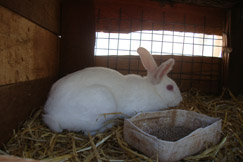
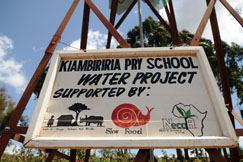
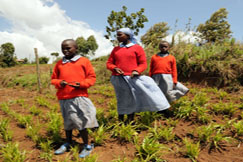
Located in Kiambiria village, Molo District, Nakuru County, the project was started in 2005, thanks to support from the Slow Food Foundation for Biodiversity, NECOFA and Slow Food Central Rift Convivium. Fifty students from 8 to 14 years old are involved in the project, which aims to pass on skills for future work in the agriculture sector using a sustainable approach. The crops grown include: sorghum, millet, kale, cowpeas, potatoes, amaranth, maize, spider weed, and carrots. They also keep some rabbits. Manure and compost is used to fertilize the garden and plant extracts (stinging nettle, Mexican Marigold, Neem) are used to control pests and diseases. A wind-powered well once provided water to the school and needs to be repaired to increase water resources. In addition, a concrete tank is currently being built for rainwater collection for watering the garden. The garden produce is used in the school-feeding program and some surplus food is sold to the local community. The students participate in agricultural shows and fairs giving them an opportunity to showcase their experience and skills to other young people, teachers and parents from across Kenya. Students want to find a solution to the lack of adequate water for irrigation, of tools and equipment and of knowledge about sustainable food cultivation methods.
Garden Location
Kiambiriria village, Molo district
Coordinator
Patrick Ng’ang’a
This garden is twinned with the “Sacro Cuore” School Garden, Romano d’Ezzelino, part of the Italian “Orti in Condotta” network:
www.slowfood.it/educazione/orti-in-condotta/scuola-primaria-sacro-cuore-d-d-di-romano-dezzelino/