Slow Food
  • Donate
  • Join us
  • Italian
  • English
Slow Food Foundation

Search

  • Home
  • About us
    • What is the Foundation?
  • What We Do
    • Slow Food Gardens in Africa
    • Slow Food Presidia
    • Ark of Taste
    • Slow Food Cooks’ Alliance
    • Earth Markets
    • What is the Narrative Label?
  • Get involved
    • Why Support Us
    • Italian Slow Food Presidia Sponsors
  • Multimedia
    • Publications
    • Video
    • Gallery
    • News archive
    • Photo archive
  • Contacts
Slow Food Foundation Slow Food Foundation
  • Home
  • About us
    • What is the Foundation?
  • What We Do
    • Slow Food Gardens in Africa
    • Slow Food Presidia
    • Ark of Taste
    • Slow Food Cooks’ Alliance
    • Earth Markets
    • What is the Narrative Label?
  • Get involved
    • Why Support Us
    • Italian Slow Food Presidia Sponsors
  • Multimedia
    • Publications
    • Video
    • Gallery
    • News archive
    • Photo archive
  • Contacts

Search

Home » 10.000 Orti in Africa » Kasonkhwe School Garden

Kasonkhwe School Garden

Back to the archive >

Malawi

Northern Region

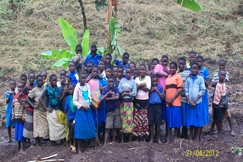
Kasonkhwe Primary School launched their school garden as part of the Thousand Gardens project in 2011 in rural Northern Malawi in the midst of rural farmland, about 1.5 kilometers from the school. The small plot of approximately one tenth of an acre (380 square meters) is situated on a flat, grassy area that is wet all year. There is also a community nursery in the area and a town market called Lura about 4 kilometers away. Thirty students, mainly boys, cultivate the garden under the supervision of two teachers. Local fruits and vegetables area grown, including maize, yam, pawpaw, sweet potato, groundnuts and various leafy vegetables. Yams are on the most important crops as they are highly resistant and used a lot in home cooking. All the seeds are local and collected by students from their parents. Animal manure is collected by the students and used as a natural fertilizer as there is an abundance of cows ducks, goats and sheep in the village.

Garden location
Lura, Rumphi District, Northern Region

Coordinators
E. Msukwa, H. Mtawali
Slow Food in Malawi

Malawi’s economy is based on agriculture: 85% of the population lives in rural areas and most are farmers. Between the 1980s and ‘90s, the introduction of hybrid seeds and chemical fertilizers brought the agricultural system to its knees, leading to a definitive collapse during the 2015-2016 harvest season, when a drought left more than 6 million Malawians without food and unmasked the false promises of agroindustry. This is why the Gardens in Africa project is of particular importance to Malawi, with many training sessions organized by Slow Food coordinators bringing attention back to simple farming techniques that indigenous peoples like the Tumbuka, Chewa, Yao, Ngonde, Sena and Phoka have never given up. Slow Food has concentrated on raising awareness among younger generations, organizing small-scale events and education activities in schools. The first school gardens were started in the north of the country, around Livingstonia, Mzuzu and Rumphi, and then spread to the central area, near the capital of Lilongwe. The Slow Food network has developed around the 10,000 Gardens in Africa project. The association is well known to the national authorities and civil society, as was demonstrated during Terra Madre Malawi, held on July 4, 2015, in the Lura school garden. Students, parents and farmers were joined by representatives from indigenous communities, the agriculture, health and education ministries and local NGOs like Find Your Feet.

Garden Informations

Type:School Garden
Slow Food Convivium:Ntchenachena Convivium
Coordinator:Mazoe Darline Jue Gondwe
Sibling with:Cane Maria Albina and Longo Piero

Photos

Subscribe to the newsletter

Slow Food gratefully acknowledges funding support from European Union. The contents of this website are the sole responsibility of Slow Food and the CINEA is not responsible for any use that may be made of the information contained therein.
Slow Food - P.IVA 02743970044 - Privacy Policy - Cookie Policy - All rights reserved
Powered by Blulab