Slow Food
  • Donate
  • Join us
  • Italian
  • English
Slow Food Foundation

Search

  • Home
  • About us
    • What is the Foundation?
  • What We Do
    • Slow Food Gardens in Africa
    • Slow Food Presidia
    • Ark of Taste
    • Slow Food Cooks’ Alliance
    • Earth Markets
    • What is the Narrative Label?
  • Get involved
    • Why Support Us
    • Italian Slow Food Presidia Sponsors
  • Multimedia
    • Publications
    • Video
    • Gallery
    • News archive
    • Photo archive
  • Contacts
Slow Food Foundation Slow Food Foundation
  • Home
  • About us
    • What is the Foundation?
  • What We Do
    • Slow Food Gardens in Africa
    • Slow Food Presidia
    • Ark of Taste
    • Slow Food Cooks’ Alliance
    • Earth Markets
    • What is the Narrative Label?
  • Get involved
    • Why Support Us
    • Italian Slow Food Presidia Sponsors
  • Multimedia
    • Publications
    • Video
    • Gallery
    • News archive
    • Photo archive
  • Contacts

Search

Home » 10.000 Orti in Africa » Kabuga School Garden

Kabuga School Garden

Back to the archive >

Rwanda

Nord

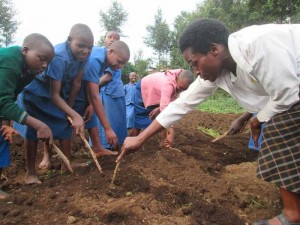
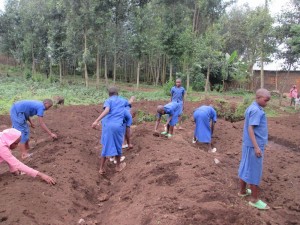
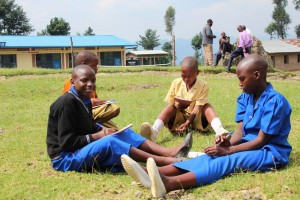
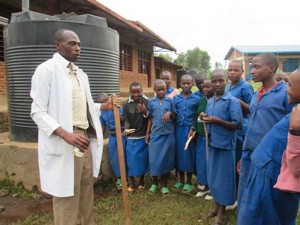
This 32m2 school garden is found in the Cyuve sector, in the Musanze District in the country’s north. The school currently has about 540 students and 14 teachers, but the group that is mainly involved in the gardening activities is a club of 30 students ranging in age from 10 to 12 years old. The garden, which is found in the valley next to the school, is managed by the school through the teacher who acts as the group’s leader.
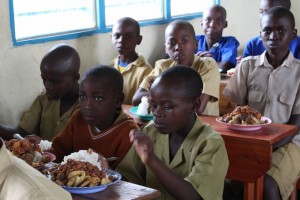
The Kabuga school garden was established in February 2015, thanks to the initiative of the Slow Food Ruhengeri convivium, which took note of a huge problem with malnutrition on the families that live near the school. This same convivium later put the school in contact with Slow Food in March 2015.
This garden also acts as an educational tool, often used by the teachers as an example to help illustrate different aspects of their lessons. Thus the garden serves to help teach about technical ways to plan a garden that will help the families and the surrounding community in general.
The crops are cultivated on a rotating basis, and some of the more important are: corn, potatoes, carrots, onions, and cabbage.
The soil is fertilized with organic products that the students bring from their homes.
A part of the harvest is sold in the local market and the revenues are then used to cover the school’s small expenses and extra-curricular activities.

Area
Cyuve Sector, Musanze district, northern province

Coordinator
Prosper Uwiragiye
Products

  • Maize
  • Carrot
  • Onion
  • Cabbage
  • Potato

Slow Food in Rwanda

With 402 people per square kilometer, Rwanda is the most densely populated country in sub-Saharan Africa. The “Land of a Thousand Hills” is characterized by a fragmented geography and intense demographic pressure on the small amount of available land. Over the years, national agricultural policies have specialized and intensified production, putting the country’s biodiversity at risk. The Slow Food network in Rwanda began by working on the Gardens in Africa project, taking the country’s indigenous resources as a starting point and involving local communities in the task of safeguarding traditional knowledge. In just a few years, many school and community food gardens were created across the country, making it possible to start mapping foods for the Ark of Taste as well. Farmers in Nyagatare, in the north of the country, joined the movement in order to protect and promote the local Inyambo cattle breed (also known as Ankole). This work is being carried out in partnership with Slow Food’s Ugandan network, which has been fighting to preserve the same breed in Uganda for years (Ankole Cattle Presidium).

Garden Informations

Type:School Garden
Surface in m2:32
People involved:31
Slow Food Convivium:Ruhengeri Convivium
Coordinator:Gilbert Nsabimana
Sibling with:Table for Two International

Photos

Subscribe to the newsletter

Slow Food gratefully acknowledges funding support from European Union. The contents of this website are the sole responsibility of Slow Food and the CINEA is not responsible for any use that may be made of the information contained therein.
Slow Food - P.IVA 02743970044 - Privacy Policy - Cookie Policy - All rights reserved
Powered by Blulab