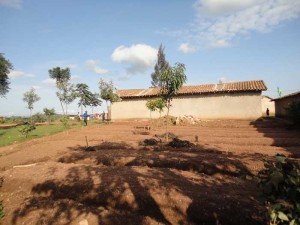
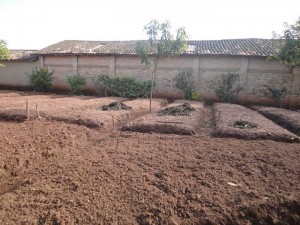
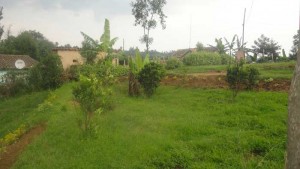
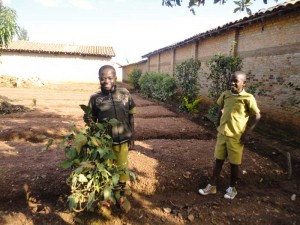
The Gitongati School garden is found in the Southern Province, Muhanga District, in Gitongati Village, which is at the top of a small hill which is part of a longer mountain chain. The garden covers an area of 85 ares, in which various crops are cultivated, like: corn, beans, squash, cabbage, dodo (a local type of amaranth that is resistant to dry spells, insects, and diseases), and sweet potatoes. The soil is fertilized with plant compost made with decomposed, organic plant waste. Irrigation is undertaken in the dry season with water that is collected in tanks, as well as with water that the students bring themselves once the tanks are empty.
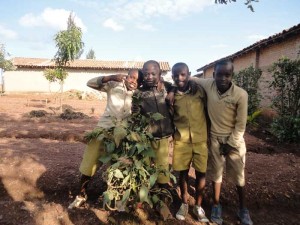
The garden also has a nursery for the youngest plants. Pests are managed with all natural methods, like the use of naturally insect repellent plants. The school has 18 teachers, plus the principal, for the 1,124 currently enrolled students. The garden’s produce is sold in order to buy school materials for the less fortunate students (both for orphans and those who are from poor families). Students from the fourth to sixth years, ranging in age from 10 to 12 years old, are engaged in the garden’s cultivation, which they do during their lessons under the guidance of the teacher who is in charge of the school’s environmental club, who also hopes to take advantage of training sessions to ensure good agricultural practices in the garden.
Aread
Gitongati Village, Muhanga district, southern province
Coordinator
Clément Misago