Slow Food
  • Donate
  • Join us
  • Italian
  • English
Slow Food Foundation

Search

  • Home
  • About us
    • What is the Foundation?
  • What We Do
    • Slow Food Gardens in Africa
    • Slow Food Presidia
    • Ark of Taste
    • Slow Food Cooks’ Alliance
    • Earth Markets
    • What is the Narrative Label?
  • Get involved
    • Why Support Us
    • Italian Slow Food Presidia Sponsors
  • Multimedia
    • Publications
    • Video
    • Gallery
    • News archive
    • Photo archive
  • Contacts
Slow Food Foundation Slow Food Foundation
  • Home
  • About us
    • What is the Foundation?
  • What We Do
    • Slow Food Gardens in Africa
    • Slow Food Presidia
    • Ark of Taste
    • Slow Food Cooks’ Alliance
    • Earth Markets
    • What is the Narrative Label?
  • Get involved
    • Why Support Us
    • Italian Slow Food Presidia Sponsors
  • Multimedia
    • Publications
    • Video
    • Gallery
    • News archive
    • Photo archive
  • Contacts

Search

Home » 10.000 Orti in Africa » Gashangiro II School Garden

Gashangiro II School Garden

Back to the archive >

Rwanda

Nord

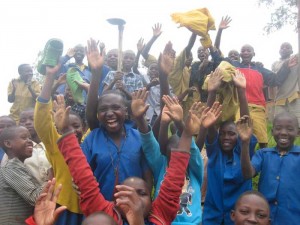
This 21m2 school garden is found in the Cyuve sector, in the Musanze District in the country’s north. The school currently has about 800 students and 16 teachers, but the group that is most active in the garden’s cultivation involves 30 children who range in age from nine to thirteen years old. The plants are cultivated on a rotating basis, some of which are: cabbage, potatoes, eggplant, carrots, and onions.
The garden was established in December 2014 thanks to the initiative of the Slow Food Ruhengeri convivium, which noticed that the community at large was not very well informed on how to set up gardens. The school was then contacted by Slow Food, through the same convivium, in February 2015.
The garden also acts as an educational tool, and is often used by the teachers to explain different points in some of their lessons. It is also useful in teaching about agricultural techniques, especially those concerning the management of a garden, which both the students and the teachers can apply in the surrounding communities.
This garden is particular, in that it is situated next to the school in an urban setting. The soil is rich in humus and extremely productive, which allows the children to learn about the production of organic composts in large quantities. The soil is fertilized with manure and compost that is made directly on site, while ash is used as a natural method to fight insects.
A part of the harvest is sold in the local market and the revenues are then used to cover the school’s small expenses and extra-curricular activities.

Area
Cyuve Sector, Musanze district, northern province

Coordinator
Prosper Uwiragiye
Slow Food in Rwanda

With 402 people per square kilometer, Rwanda is the most densely populated country in sub-Saharan Africa. The “Land of a Thousand Hills” is characterized by a fragmented geography and intense demographic pressure on the small amount of available land. Over the years, national agricultural policies have specialized and intensified production, putting the country’s biodiversity at risk. The Slow Food network in Rwanda began by working on the Gardens in Africa project, taking the country’s indigenous resources as a starting point and involving local communities in the task of safeguarding traditional knowledge. In just a few years, many school and community food gardens were created across the country, making it possible to start mapping foods for the Ark of Taste as well. Farmers in Nyagatare, in the north of the country, joined the movement in order to protect and promote the local Inyambo cattle breed (also known as Ankole). This work is being carried out in partnership with Slow Food’s Ugandan network, which has been fighting to preserve the same breed in Uganda for years (Ankole Cattle Presidium).

Garden Informations

Type:School Garden
Surface in m2:21
People involved:31
Slow Food Convivium:Ruhengeri Convivium
Coordinator:Gilbert Nsabimana
Sibling with:Table for Two International

Photos

Subscribe to the newsletter

Slow Food gratefully acknowledges funding support from European Union. The contents of this website are the sole responsibility of Slow Food and the CINEA is not responsible for any use that may be made of the information contained therein.
Slow Food - P.IVA 02743970044 - Privacy Policy - Cookie Policy - All rights reserved
Powered by Blulab