Slow Food
  • Donate
  • Join us
  • Italian
  • English
Slow Food Foundation

Search

  • Home
  • About us
    • What is the Foundation?
  • What We Do
    • Slow Food Gardens in Africa
    • Slow Food Presidia
    • Ark of Taste
    • Slow Food Cooks’ Alliance
    • Earth Markets
    • What is the Narrative Label?
  • Get involved
    • Why Support Us
    • Italian Slow Food Presidia Sponsors
  • Multimedia
    • Publications
    • Video
    • Gallery
    • News archive
    • Photo archive
  • Contacts
Slow Food Foundation Slow Food Foundation
  • Home
  • About us
    • What is the Foundation?
  • What We Do
    • Slow Food Gardens in Africa
    • Slow Food Presidia
    • Ark of Taste
    • Slow Food Cooks’ Alliance
    • Earth Markets
    • What is the Narrative Label?
  • Get involved
    • Why Support Us
    • Italian Slow Food Presidia Sponsors
  • Multimedia
    • Publications
    • Video
    • Gallery
    • News archive
    • Photo archive
  • Contacts

Search

Home » 10.000 Orti in Africa » Chandamale Primary School Garden

Chandamale Primary School Garden

Back to the archive >

Malawi

Northern Region

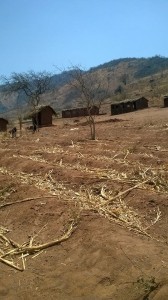
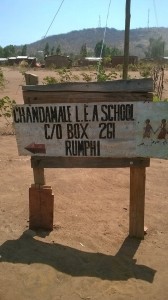
Chandamale L.E.A primary school was established in 2013 by the local council of chiefs in Rumphi central. The school was established to assist kindergarten students who used to go Bumba school or Tenthere schools. The enrolment for the three schools was already high, hence establishing another school was eminent. The local authority built the school through a project initiated by German volunteers.
The school is in Group Village headman Chatumbwa under Paramount Chief Chikulamayembe in Rumphi central district.
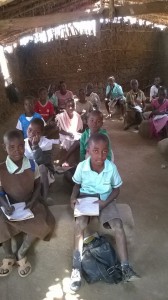
The school has an enrolment of 1,127 students (503 boys and 624 girls). Students who participate in the gardening work are drawn from grades 4, 5, 6 and 7 and their ages range from 9-13 years old.
The school was acquainted with the Slow Food networks through the Bumba convivium in 2014 and patrons participate in every meeting the convivium arranges.
The school has a garden measuring 0.2 ha and the local crops grown include: seem seem (“mutchesi”),
local maize (“kafula”), soy beans, groundnuts (“tchayilosi”), Sorghum (“mapemba”), millet (“malezi”, peas (“ndozi”), pigeon peas (“mpheni”, cassava (“mbundumale”), local leafy vegetables like “kamuganje” (mustard), “nyungu” (pumpkins), “berekete” (amaranth) and “luni” (indigenous vegetable similar to amaranths). The harvest is consumed by the students, while the surplus is sold to cover the school’s expenses.
The garden’s soil is fertilized using animal manure from poultry, cattle and goats which are gathered locally from community kraals.
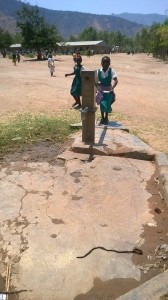
The school garden has tap water and also depends on rain fed water as the main source of water.

Area
Group Village headman Chatumbwa, Paramount Chief Chikulamayembe, Rumphi district

Coordinators
T.E.R Msokwa and G. Zimba
Slow Food in Malawi

Malawi’s economy is based on agriculture: 85% of the population lives in rural areas and most are farmers. Between the 1980s and ‘90s, the introduction of hybrid seeds and chemical fertilizers brought the agricultural system to its knees, leading to a definitive collapse during the 2015-2016 harvest season, when a drought left more than 6 million Malawians without food and unmasked the false promises of agroindustry. This is why the Gardens in Africa project is of particular importance to Malawi, with many training sessions organized by Slow Food coordinators bringing attention back to simple farming techniques that indigenous peoples like the Tumbuka, Chewa, Yao, Ngonde, Sena and Phoka have never given up. Slow Food has concentrated on raising awareness among younger generations, organizing small-scale events and education activities in schools. The first school gardens were started in the north of the country, around Livingstonia, Mzuzu and Rumphi, and then spread to the central area, near the capital of Lilongwe. The Slow Food network has developed around the 10,000 Gardens in Africa project. The association is well known to the national authorities and civil society, as was demonstrated during Terra Madre Malawi, held on July 4, 2015, in the Lura school garden. Students, parents and farmers were joined by representatives from indigenous communities, the agriculture, health and education ministries and local NGOs like Find Your Feet.

Garden Informations

Type:School Garden
Slow Food Convivium:Bumba Convivium
Coordinator:Manvester Ackson Khoza
Sibling with:Slow Food Trieste Convivium, Italy

Photos

Subscribe to the newsletter

Slow Food gratefully acknowledges funding support from European Union. The contents of this website are the sole responsibility of Slow Food and the CINEA is not responsible for any use that may be made of the information contained therein.
Slow Food - P.IVA 02743970044 - Privacy Policy - Cookie Policy - All rights reserved
Powered by Blulab