Slow Food
  • Donate
  • Join us
  • Italian
  • English
Slow Food Foundation

Search

  • Home
  • About us
    • What is the Foundation?
  • What We Do
    • Slow Food Gardens in Africa
    • Slow Food Presidia
    • Ark of Taste
    • Slow Food Cooks’ Alliance
    • Earth Markets
    • What is the Narrative Label?
  • Get involved
    • Why Support Us
    • Italian Slow Food Presidia Sponsors
  • Multimedia
    • Publications
    • Video
    • Gallery
    • News archive
    • Photo archive
  • Contacts
Slow Food Foundation Slow Food Foundation
  • Home
  • About us
    • What is the Foundation?
  • What We Do
    • Slow Food Gardens in Africa
    • Slow Food Presidia
    • Ark of Taste
    • Slow Food Cooks’ Alliance
    • Earth Markets
    • What is the Narrative Label?
  • Get involved
    • Why Support Us
    • Italian Slow Food Presidia Sponsors
  • Multimedia
    • Publications
    • Video
    • Gallery
    • News archive
    • Photo archive
  • Contacts

Search

Home » 10.000 Orti in Africa » Cacaotou School Garden

Cacaotou School Garden

Back to the archive >

Ivory Coast

Agnéby

A former camp that has turned into a village, Cacaotou is found about 12 km away from Attobrou, a village from which the first inhabitants came to take care of their cocoa and coffee plantations. Indeed, Cacaotou means “cocoa village” in the local language (Abbey); it’s found in the Agboville sub-prefecture in southern Ivory Coast, about 100 km away from the economic capital of the country, Abidjan.
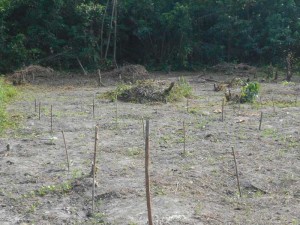
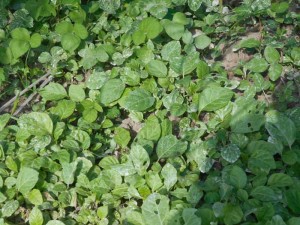
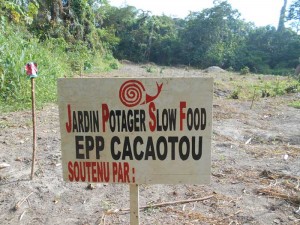
The school garden is found about one km away from the school. This is due to the fact that there is no cultivatable land around the school and, indeed, not even closer to the village due to the plantations of cocoa and coffee. The garden is situated at the edge of a cocoa plantation, in a low lying area. This small 300m2 garden is maintained by the school’s 280 students and six teachers. Given the distance between the garden and the school, the actual gardening is undertaken by the oldest students. The younger ones, between seven and nine years old, are taken by the teachers to visit the garden, where they can see the different plants as they grow: beans, soy, peppers, African tomatoes, okra, and corn.
Like in all of the other schools, this garden is managed by a coop made of eight members. This group takes care of the harvest and the sale of the garden’s produce, which are sold primarily to the school’s cafeteria which prepares meals with them. The revenues are used to finance the school’s small expenses and extra-curricular activities.
The soil’s fertility is a great advantage for the garden, though harmful insects do pose a problem: to fight them off the students use ashes, tobacco powder, and pepper water.

Area
Attobrou Village, Agboville, Agnéby Tiassa region

Coordinator
Youko Guillaume Djedje (School’s Director)
Slow Food in Ivory Coast

Côte d’Ivoire, a West African country on the continent’s Atlantic coast, has the strongest economy in the West African Economic and Monetary Union. This economy is primarily based on the export of commodities such as coffee, cacao and palm oil. Apart from this agricultural output being dependent on the fluctuations of the global market, the political crises between 2002 and 2011 also had a heavy impact on the country’s infrastructure and communities, compromising harvests and food production. In 2012, thanks to the 4Cities4Dev project and European Union support, the Slow Food convivia in Côte d’Ivoire began to create community and school food gardens with the aim of providing a supply of quality local food for school meals and families. The Slow Food network in Côte d’Ivoire has consolidated around the gardens project and taste education and is growing stronger thanks to close relationships with Slow Food networks in neighboring countries.

Garden Informations

Type:School Garden
Slow Food Convivium:Cote d’Ivoire Convivium
Coordinator:Huie Célestine Djedji
Sibling with:AB Selezione - Italian spirits, Italy

Photos

Subscribe to the newsletter

Slow Food gratefully acknowledges funding support from European Union. The contents of this website are the sole responsibility of Slow Food and the CINEA is not responsible for any use that may be made of the information contained therein.
Slow Food - P.IVA 02743970044 - Privacy Policy - Cookie Policy - All rights reserved
Powered by Blulab