Slow Food
  • Donate
  • Join us
  • Italian
  • English
Slow Food Foundation

Search

  • Home
  • About us
    • What is the Foundation?
  • What We Do
    • Slow Food Gardens in Africa
    • Slow Food Presidia
    • Ark of Taste
    • Slow Food Cooks’ Alliance
    • Earth Markets
    • What is the Narrative Label?
  • Get involved
    • Why Support Us
    • Italian Slow Food Presidia Sponsors
  • Multimedia
    • Publications
    • Video
    • Gallery
    • News archive
    • Photo archive
  • Contacts
Slow Food Foundation Slow Food Foundation
  • Home
  • About us
    • What is the Foundation?
  • What We Do
    • Slow Food Gardens in Africa
    • Slow Food Presidia
    • Ark of Taste
    • Slow Food Cooks’ Alliance
    • Earth Markets
    • What is the Narrative Label?
  • Get involved
    • Why Support Us
    • Italian Slow Food Presidia Sponsors
  • Multimedia
    • Publications
    • Video
    • Gallery
    • News archive
    • Photo archive
  • Contacts

Search

Home » 10.000 Orti in Africa » Bemanasa Community Garden

Bemanasa Community Garden

Back to the archive >

Madagascar

Fianarantsoa

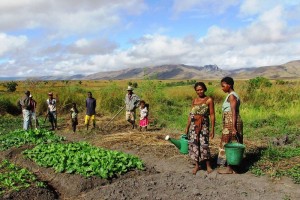
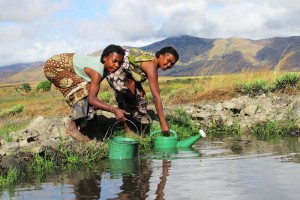
This 25 are community garden is found 72 km northeast of Ihosy (towards route 27), in the North Ranotsara rural community in Iakora district of the Ihorombe region, Madagascar.
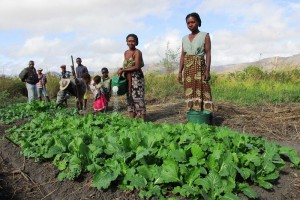
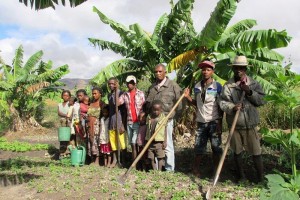
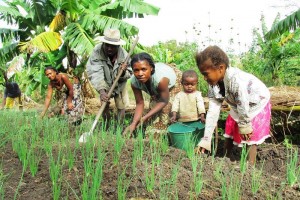
The garden is cultivated by eight families, who have benefitted from the support of Slow Food’s Gardens in Africa project. Some of the crops that the families cultivate here are: tomatoes, onions, chives, “petsaï” (a leafy green vegetable that belongs to the Brassiceae family), potatoes, lettuce, carrots, and bananas. They have made their goal the increase in production for both personal consumption and to cover their daily needs.
Furthermore, the garden plays an important role in the transfer of knowledge among the farmers and contributes to greater cohesion among the members. The majority of the harvest is consumer by the families, while the remainder is sold. The revenues have led to an improvement in the farmers’ economic situations: they can now take care of their families’ health needs.
In addition, over time the group has improved their agricultural techniques, which has led to increased production and the beginning of the path towards a reduction in chronic malnutrition.
Finally, thanks to this vegetable garden, the members have begun composting, producing their own seeds, and crop rotation. The group’s energy never ends, as they also practice off-season cultivation, with the aim of diversifying their agricultural activities. They are constantly in search of ways to improve their performance and to benefit from know-how, which makes this a truly model organization.

Area
North Ranotsara Rural Communtiy, Iakora district, Ihorombe region

Coordinator
Heritiana Andramalala
Slow Food in Madagascar

The Indian Ocean island of Madagascar is known for its rich biodiversity. The country’s rainforest is home to a large number of different animals and plants, and around 90% of these species are endemic. Despite this natural wealth, Madagascar is one of the world’s poorest countries and its extraordinary resources are under relentless threat from deforestation, overexploitation and land grabbing. In countries like Madagascar, the sustainable use of natural resources is crucial to guaranteeing food security. The Slow Food network in Madagascar has been growing since 2004, the year of the first Terra Madre gathering. The convivia participate in many local events to raise awareness among consumers, and are actively researching products for the Ark of Taste. Since 2012, Slow Food community and school food gardens have been producing fresh, diversified food for local communities and educating young people about agrobiodiversity. Two Presidia have also been established in the country, Mananara Vanilla and Alaotra Lake Ancient Rice Varieties.

Garden Informations

Type:Community Garden
Slow Food Convivium:Ihorombe Convivium
Coordinator:Pierre Olivier Randriamampionona
Sibling with:Slow Food Rovigo Convivium - American potato Venetian producers, Italy

Photos

Subscribe to the newsletter

Slow Food gratefully acknowledges funding support from European Union. The contents of this website are the sole responsibility of Slow Food and the CINEA is not responsible for any use that may be made of the information contained therein.
Slow Food - P.IVA 02743970044 - Privacy Policy - Cookie Policy - All rights reserved
Powered by Blulab