Slow Food
  • Donate
  • Join us
  • Italian
  • English
Slow Food Foundation

Search

  • Home
  • About us
    • What is the Foundation?
  • What We Do
    • Slow Food Gardens in Africa
    • Slow Food Presidia
    • Ark of Taste
    • Slow Food Cooks’ Alliance
    • Earth Markets
    • What is the Narrative Label?
  • Get involved
    • Why Support Us
    • Italian Slow Food Presidia Sponsors
  • Multimedia
    • Publications
    • Video
    • Gallery
    • News archive
    • Photo archive
  • Contacts
Slow Food Foundation Slow Food Foundation
  • Home
  • About us
    • What is the Foundation?
  • What We Do
    • Slow Food Gardens in Africa
    • Slow Food Presidia
    • Ark of Taste
    • Slow Food Cooks’ Alliance
    • Earth Markets
    • What is the Narrative Label?
  • Get involved
    • Why Support Us
    • Italian Slow Food Presidia Sponsors
  • Multimedia
    • Publications
    • Video
    • Gallery
    • News archive
    • Photo archive
  • Contacts

Search

Home » 10.000 Orti in Africa » Ayuub Village School Garden

Ayuub Village School Garden

Back to the archive >

Somalia

Shabeellaha Hoose

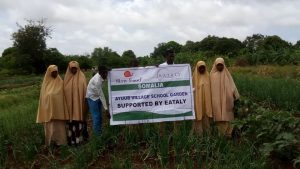
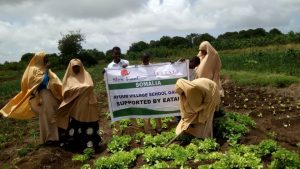
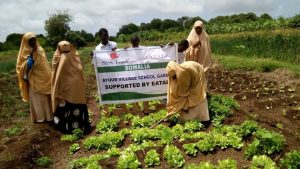
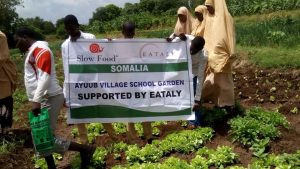
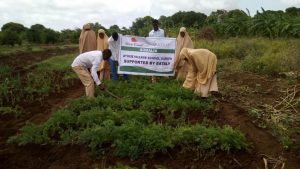
This school garden is located in the village of Ayuub and was established in 2015 by a group of students and three of their teachers. The school has 372 students; the parents are farmers and produce crops to cover the basic needs of the families and to earn an income. The garden size is 225 m2; the members of the garden are 21 students and three teachers who help then coordinate the garden tasks. They grow, cereals (like maize), pulses (cowpeas) and oil crops (sesame), but vegetables are the most common crops in this garden. The garden is in a rainfed area, and in some seasons it is irrigated with the water from the well. As this task is quite difficult, all school students take part in the work. Manure and organic fertilizers are used to increase the nutrients in the soil. Cultural practices are applied to fight against pests and diseases, such as crop rotation and integrated pest management methods. The garden is also used by the students from the nearby agricultural school, who come to the Ayuub school garden to take some agricultural lessons. The garden produce is given as a reward to motivate clever students and the students who work hard in the garden.

Area
Ayuub Village

Coordinator
Merka Convivium leader
Slow Food in Somalia

Somalia has been subject to one of the worst crises of any country. Long years of anarchy, civil war, tribal conflicts, fundamentalism, banditry and natural disasters have devastated the country, and this prolonged conflict and instability has damaged agricultural productivity. Many farmers have either lost their assets (livestock and irrigation equipment) or been displaced from their land. The production of bananas and other fruits, once Somalia's second largest export after livestock, has been hindered by the civil war and intermittent armed clashes over control of this lucrative export business. Local people, meanwhile, must often depend on international food aid for their survival. Slow Food has existed in Somalia since 2011. Today it has a strong network that promotes sustainable food production, protects food biodiversity by saving many products from extinction through the Ark of Taste project and connects key figures in the country’s food world. Despite the difficult conditions and the political situation since the 1990s, Slow Food has still managed to create a remarkable number of community and school food gardens, planted with crops like lettuce, carrots, tomatoes, white and red onions, sweet and hot peppers, pumpkins, spinach, sesame and maize. The message that Slow Food Somalia wants to send to the world is that we can work together to end this cycle of humanitarian crises by developing the agricultural sector into one that is highly productive, profitable and sustainable.

Garden Informations

Type:School Garden
Surface in m2:225
People involved:24
Slow Food Convivium:Merka Convivium
Sibling with:Eataly, Italy

Photos

Subscribe to the newsletter

Slow Food gratefully acknowledges funding support from European Union. The contents of this website are the sole responsibility of Slow Food and the CINEA is not responsible for any use that may be made of the information contained therein.
Slow Food - P.IVA 02743970044 - Privacy Policy - Cookie Policy - All rights reserved
Powered by Blulab