Slow Food
  • Donate
  • Join us
  • Italian
  • English
Slow Food Foundation

Search

  • Home
  • About us
    • What is the Foundation?
  • What We Do
    • Slow Food Gardens in Africa
    • Slow Food Presidia
    • Ark of Taste
    • Slow Food Cooks’ Alliance
    • Earth Markets
    • What is the Narrative Label?
  • Get involved
    • Why Support Us
    • Italian Slow Food Presidia Sponsors
  • Multimedia
    • Publications
    • Video
    • Gallery
    • News archive
    • Photo archive
  • Contacts
Slow Food Foundation Slow Food Foundation
  • Home
  • About us
    • What is the Foundation?
  • What We Do
    • Slow Food Gardens in Africa
    • Slow Food Presidia
    • Ark of Taste
    • Slow Food Cooks’ Alliance
    • Earth Markets
    • What is the Narrative Label?
  • Get involved
    • Why Support Us
    • Italian Slow Food Presidia Sponsors
  • Multimedia
    • Publications
    • Video
    • Gallery
    • News archive
    • Photo archive
  • Contacts

Search

Home » 10.000 Orti in Africa » Anatsagna Community Garden

Anatsagna Community Garden

Back to the archive >

Madagascar

Fianarantsoa

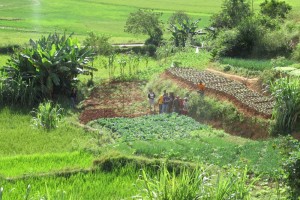
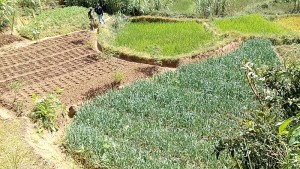
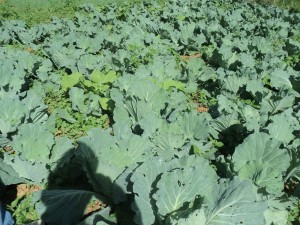
Anatsagna community garden is found 7 km south of Fianarantsoa, on the side of the road following route 07 towards Tuléar. The garden is in Anatsagna, in the Fianarantsoa I district, at the level of the Haute Matsiatra region. The land dedicated to cultivation is divided between the side of a small hill and the rice patties found nearby. The surface areas of the two plots of land are of 85 and 25 are, respectively.
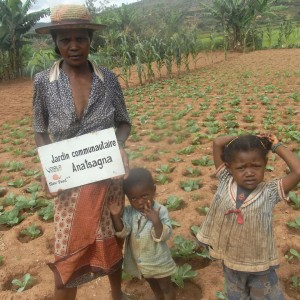
The families that benefit from the gardens are cultivators who live on these lands. A total of 4 families of 5 people each are involved in the gardening activities.
The producers envisage a future in which they can continue with the way of working, which emphasizes Malagasy know-how: “the fihavanana” which literally translates to “family ties” via “valitanana” or “pay back by hand”. Simply put, they work together as a group: working for and with others leads to others working for and with you.
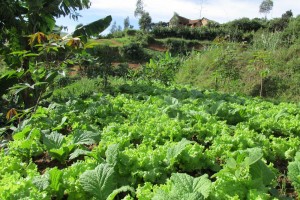
As per the management of the area, corn is used to delimit the various plots and to give shade to others. The producers practice crop rotation, and each year they change the crops three times. For example, first they cultivate corn, then cabbage and leeks, and finally lettuce.
A pond acts as a reservoir that allows for irrigation during the dry season. In September it is no longer possible to cultivate along the hill. The producers thus turn towards the rice patties to cultivate their cabbage, potatoes and tomatoes.
The soil is fertilized with all natural products, including: compost, vegetable clippings and manure from livestock. At the same time, the cultivators are learning more about the use of organic ways to fertilize the soil.
Regarding seed production, this is done directly in the garden with the exception of a few species that the producers have still yet to completely master.
Among the crops cultivated in this garden are: cabbage, onions, lettuce, sweet potatoes, cassava, bananas, beans, mangoes, peach trees, guava, rice, “sakaibes” and “angivy”.

Area
Anatsagna, Fokontany, Mahazengy, Fianarantsoa I district, Haute Matsiatra region

Coordinator
Sahondra Raheliarisolo
Slow Food in Madagascar

The Indian Ocean island of Madagascar is known for its rich biodiversity. The country’s rainforest is home to a large number of different animals and plants, and around 90% of these species are endemic. Despite this natural wealth, Madagascar is one of the world’s poorest countries and its extraordinary resources are under relentless threat from deforestation, overexploitation and land grabbing. In countries like Madagascar, the sustainable use of natural resources is crucial to guaranteeing food security. The Slow Food network in Madagascar has been growing since 2004, the year of the first Terra Madre gathering. The convivia participate in many local events to raise awareness among consumers, and are actively researching products for the Ark of Taste. Since 2012, Slow Food community and school food gardens have been producing fresh, diversified food for local communities and educating young people about agrobiodiversity. Two Presidia have also been established in the country, Mananara Vanilla and Alaotra Lake Ancient Rice Varieties.

Garden Informations

Type:Community Garden
Coordinator:Sahondra Raheliarisolo
Sibling with:La Vialla Farm and Lo Franco Family Foundation, Castiglion Fibocchi, italy

Photos

Subscribe to the newsletter

Slow Food gratefully acknowledges funding support from European Union. The contents of this website are the sole responsibility of Slow Food and the CINEA is not responsible for any use that may be made of the information contained therein.
Slow Food - P.IVA 02743970044 - Privacy Policy - Cookie Policy - All rights reserved
Powered by Blulab