Slow Food
  • Donate
  • Join us
  • Italian
  • English
Slow Food Foundation

Search

  • Home
  • About us
    • What is the Foundation?
  • What We Do
    • Slow Food Gardens in Africa
    • Slow Food Presidia
    • Ark of Taste
    • Slow Food Cooks’ Alliance
    • Earth Markets
    • What is the Narrative Label?
  • Get involved
    • Why Support Us
    • Italian Slow Food Presidia Sponsors
  • Multimedia
    • Publications
    • Video
    • Gallery
    • News archive
    • Photo archive
  • Contacts
Slow Food Foundation Slow Food Foundation
  • Home
  • About us
    • What is the Foundation?
  • What We Do
    • Slow Food Gardens in Africa
    • Slow Food Presidia
    • Ark of Taste
    • Slow Food Cooks’ Alliance
    • Earth Markets
    • What is the Narrative Label?
  • Get involved
    • Why Support Us
    • Italian Slow Food Presidia Sponsors
  • Multimedia
    • Publications
    • Video
    • Gallery
    • News archive
    • Photo archive
  • Contacts

Search

Home » 10.000 Orti in Africa » Anato Community Garden

Anato Community Garden

Back to the archive >

Madagascar

Fianarantsoa

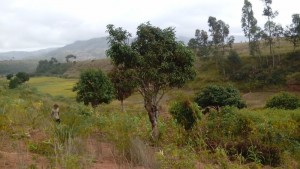
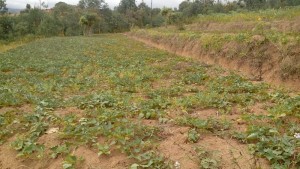
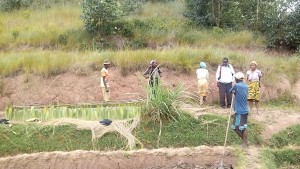
The Anato garden, 17 km north of the Fianarantsoa town centre, on the edge of the Ambalakely rural township national route 7, has a total surface area of 105 ares. The beneficiaries are assembled into an association called “Soa Miray”, with 32 active members in their village. The garden has been planted on the banks of rice paddies, on reclaimed, contoured slopes. During the dry season, the community irrigates with water from the paddies.
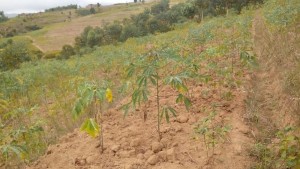
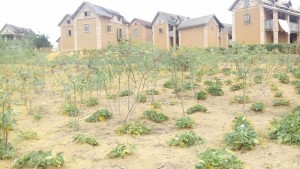
As with most Malgasy rural areas, the rice paddies are intended for growing rice during the main rainy season and different vegetables during the dry season. The beneficiaries have terraced the land. Use of organic fertiliser like manure and compost is common. Garden produce is for consumption and the surplus is sold at the Alakamisy Ambohimaha market and the Zoma market at Fianarantsoa. Production of “anamamy” (solanum nigrum, solanaceae), beans, maize, manioc, sweet potato, “petsaï”” (a leafy vegetable from the Brassica family), bibasse (loquat fruit), rice, peppers, large peppers, cabbage, large onions, tomatoes, sweet oranges.

Area
Fokontany Anato, rural township of Ambalakely, Lalangina district

Coordinator
Sahondra Raheliarisolo
Slow Food in Madagascar

The Indian Ocean island of Madagascar is known for its rich biodiversity. The country’s rainforest is home to a large number of different animals and plants, and around 90% of these species are endemic. Despite this natural wealth, Madagascar is one of the world’s poorest countries and its extraordinary resources are under relentless threat from deforestation, overexploitation and land grabbing. In countries like Madagascar, the sustainable use of natural resources is crucial to guaranteeing food security. The Slow Food network in Madagascar has been growing since 2004, the year of the first Terra Madre gathering. The convivia participate in many local events to raise awareness among consumers, and are actively researching products for the Ark of Taste. Since 2012, Slow Food community and school food gardens have been producing fresh, diversified food for local communities and educating young people about agrobiodiversity. Two Presidia have also been established in the country, Mananara Vanilla and Alaotra Lake Ancient Rice Varieties.

Garden Informations

Type:Community Garden
Coordinator:Sahondra Raheliarisolo
Sibling with:Il Cuore Si Scioglie Foundation, Italy

Photos

Subscribe to the newsletter

Slow Food gratefully acknowledges funding support from European Union. The contents of this website are the sole responsibility of Slow Food and the CINEA is not responsible for any use that may be made of the information contained therein.
Slow Food - P.IVA 02743970044 - Privacy Policy - Cookie Policy - All rights reserved
Powered by Blulab