Zanahoria Morada de Cuevas Bajas
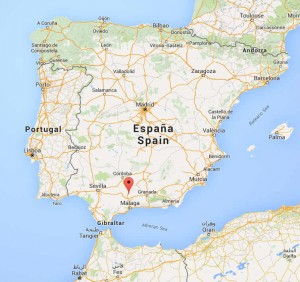
This carrot is called zanahoria morá in the Andalusian dialect or zanahoria morada in Spanish (literally, “purple carrot”) for its deep purple color. The Cuevas Bajas Purple carrot is a specific variety linked to the endemic climatology and the characteristics of the land in Cuevas Bajas in southeastern Spain. Propagated with local seeds and grown in sandy, pebbly soil, this variety is harvested once a year at the beginning of December. It is bigger and longer than other carrots. The University of Málaga and the University of Oporto have studied this variety due to its remarkable nutritional properties that are higher than in other carrot varieties.
Among its organoleptic qualities, this carrot presents a fascinating purple skin and core. When it is cut up, the slices show extravagant light orange and purple patterns. This variety is crunchy, and has a bit and strong taste when eaten raw, but is sweet when consumed cooked or otherwise transformed. The Cuevas Bajas Purple carrot is used raw in tapas, starters, salads, garnishes, and desserts. When dried, it is used as snack and topping. In powder form, it is used as a vegetable sweetener and in baking. Traditional dishes using this carrot include migas con zanahoria morá (crumbled bread with purple carrot) and salpicón de zanahoria morá (purple carrot salad).
Carrots were introduced to Europe hundreds of years ago, but the orange color did not become popular until the 1500s, when Dutch growers used selective breeding to make it less bitter than the purple variety. It is also said that the orange color was adopted to honor the House of Orange, the Dutch Royal Family, while the purple color remains the “genuine” carrot color. In Spain, purple carrots cultivated in Andalusia were used in natural medicines and as sweeteners before the arrival of sugar cane. The Cuevas Bajas Purple carrot is one of the few purple varieties grown in Spain. The Festival of the Cuevas Bajas Purple Carrot is celebrated each year during the first weekend of December coinciding with the annual harvest.
By 2014, there were only three hectares producing the carrot for commercial sales, and it is mainly marked locally. This carrot variety’s nutritional properties, great flavor and fascinating color patterns made it perfect for commerce, but it is still highly overshadowed in the market by more popular orange varieties. The Cuevas Bajas Purple variety was nearly extinct in the late 20th century due to lack of demand, but has been preserved by the Association of Cuevas Bajas Purple Carrot Growers.
Back to the archive >