Ibarbi sagarra
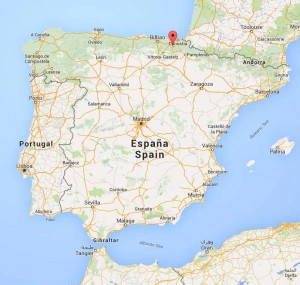
The tree is robust and strong, 8 to 10-meter high. It starts production at 15-20 years of age, fructifying every 2 years. Its fruit is sweet and sour, medium-sized, squashed at the two sides, green-yellow with darker areas and its skin is thin, hard and rough. Flesh is white-greenish, crunchy and very juicy. The plant is resistant to mushrooms and does not need any phytosanitary treatment. The fruit preserves in good conditions until spring and it is much appreciated in home cooking and by restaurants for the preparation of desserts. It is one of the few local apples that can be eaten fresh as well as used to make cider and desserts; from its processing can be obtained cooked apples, compote, cakes, apple tarts, jam, jelly, must, cider and liqueurs. In particular, according to cider producers, it is one of the best apples available to make cider. Errezil Sagarra is one of the oldest local varieties and there is no family who has not owned a tree, or Basque kitchen which has not cooked it. The variety is traditionally grown in the municipality of Errezil. Errezil, in the province of Gipuzkoa, is located at 350 m above sea level, in a valley placed between mountains which reach up to 1000 m and open up to the West. It has 600 widely scattered inhabitants. The origin of the apple is unknown: the first written documents on it date back to 1075, in the Diputación de Gipuzkoa. There are tools, presses and many processing utensils which are over 500 years old.
Back to the archive >