Nabito de Nabarniz, Nabarnizko arbia
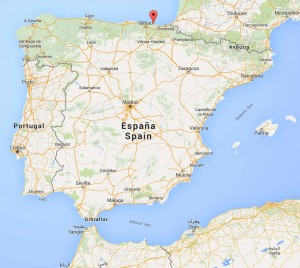
Nabarnizko arbia, nabito de Nabarniz Nabito is a small, fibrous and sand-coloured vegetable of the cruciferous family that is indigenous to the Basque region and originally comes from the municipality of Nabarniz, in the region of Lea-Artibai. As is typical of cruciferous vegetables, such as cabbage, turnip and watercress, nabito adapts very well to the cold climates and is a natural source of sulphur compounds that are powerful antioxidants. The original variety from Nabarniz is a very ancient indigenous product, traditionally used in Basque cooking. As a famous saying goes: ‘Nabarniz: turnips and arbia’, where ‘arbia’ is the Basque name for nabito. Although it is a typical ingredient of the Basque diet, it is currently on the verge of disappearing. In the Basque Country, larger turnips are used to feed animals, while Nabito, which is smaller in size, is cooked for human consumption. One of the advantages of nabito is that it ripens in winter, so that the land becomes available for other crops in February/March. In traditional Basque recipes, Nabarniz nabito is one of the most ancient ingredients and is often accompanied in restaurants and home cooking by game birds (often woodcocks or partridges) cabbage and Gernika beans. Nabito is sown in mid-August. It is harvested from mid-October until January. The best quality products are harvested in November. Nabito plants are removed from the soil and left to dry for a couple of days, then the filaments are removed. To collect and save the seeds, the plants needs to grow until June. If seeds are not saved, they are eaten by wild birds. Before planting them, the seeds need to be shelled.
Back to the archive >