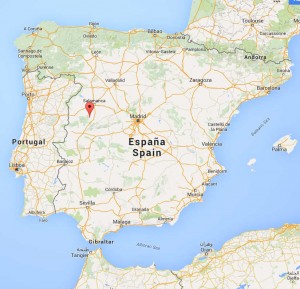
The chíchere from San Esteban de la Sierra (Phaseolus vulgaris L.) is a very small, round, white bean grain. It is highly valued and often consumed dried, in bean soups or stews, or occasionally prepared with rice. It is very thin with a thin skin. This variety is much finer and has a more persistent aroma and flavor than similar looking beans from other areas. It is also very easy to digest. The elders of the Sierra de Salamanca say this variety is the oldest in the region. In the past, it was habitually grown from Lagunilla to San Esteban de la Sierra. Currently it is facing extinction, with less than 75 kg traded each year. Chíchere beans are mainly used for family or domestic consumption, but some producers occasionally sell them to restaurants in the region. The chíchere plant is short and bushy and does not need to be staked, although it requires some guidance while growing. It has relatively low watering requirements and does not need too much fertilizer. It is an early crop, which is sown in April and matures in early August. To harvest, one must wait until the 10 cm long pods have matured and dried, acquiring a brittle (not leathery) consistency indicating that the grains have lost the necessary moisture to be preserved long term. It is advised to let the pods dry thoroughly after harvest for easy removal. The maturation of the pods occurs in stages at the end of their development. They can be harvested as they mature or they can be collected and let to ripen during the post-harvest drying. The plants have an average production due to the size of the grains, but it produces many pods. On average, each pod contains six to seven beans.
Back to the archive > Students of the Gastronomic Sciences at Pollenzo are collaborating with Slow Food to fill the Ark.