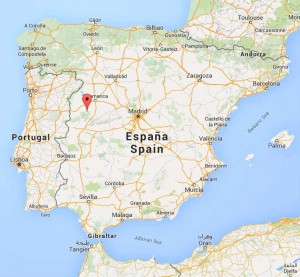
Chíchare (Phaseolus vulgaris L.), or Yellow Beans from Cilleros de la Bastida, are also known as alubida de aciete or manteca (oil or butter beans) or alubia amarilla (yellow beans). They are medium-sized, round and yellow, with a thin skin and flesh. They are highly valued and often consumed dried or in bean soups or stews. The bean plant itself grows very tall, and must be planted in soil with a good amount of water. The light yellow bean pod grows approximately 12 cm long, and contains 6 – 7 seeds. It is a late crop, planted in April-May and ripening in September. The pods must be harvested after they have dried, allowing the beans inside to be more easily collected and to allow them to be preserved for a long time. Chíchare have been cultivated in several localities of the regions of Sierra de Bejar and Sierra de Francia since ancient times, but now they are on the verge of extinction. This variety is maintained by only by three or four producers who plant it for personal use, in quantities of only 100-200 kg per year. It is a product remembered and highly valued in distant towns like La Alberca, Cilleros de la Bastida, Navarredonda de la Rinconada and Mogarraz where it was once cultivated and consumed during winter.
Back to the archive > Students of the Gastronomic Sciences at Pollenzo are collaborating with Slow Food to fill the Ark.
Territory
| State | Spain |
| Region | |
| Production area: | Sierra de Bejar and Sierra de Francia regions |
Other info
| Categories | |
| Nominated by: | Convivium Slow Food Valle del Duero |