


Gundruk is made in the area of Darjeeling, India from leafy greens that are crushed and packed tightly into a container and kept in a dark warm place for fermentation. When the desired level of fermentation is reached, the leafy greens removed and dried in the sun. It is usually made of greens of plants from the mustard family – either from leafy mustard (rayeko saag) or radish leaves, though other types of leaves may be used as well. Gundruk enables families to preserve large quantities of leafy greens for the rest of the year when it is not available. It is a good source of greens and dietary fiber especially for in areas where vegetables are scarce in the winter months. Gundruk is dark brown or black and very different from the leafy green that are the primary materials. It has a strong, fermented smell and a varying degree of sourness, depending on the taste of the person making it. It is usually made into a thin, watery soup with garlic, onions, tomatoes, chilies and sometimes potatoes or egg. It is served with rice and is described to be light, summery soup that aids in digestion. Sometimes gundruk is soaked in warm water and sautéed with mustard oil, chopped onions, tomatoes and chilies and served as a spicy salad. Because of its lightness, gundruk is often served after festivals and celebrations where rich, spicy food and lots of meat is consumed. In most urban markets of the Darjeeling Hills, there are small stalls that sell gundruk. In many instances urban people also have links with rural families from whom they purchase their gundruk. Production is limited to rural Darjeeling, where it is mostly made for home consumption, with only a few families selling it commercially. With food preferences and changing tastes, the market and demand for gundruk is decreasing, with many fewer people producing it still today.
Back to the archive >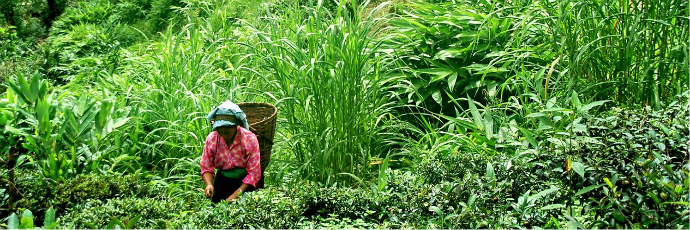
 Students of the Gastronomic Sciences at Pollenzo are collaborating with Slow Food to fill the Ark.
