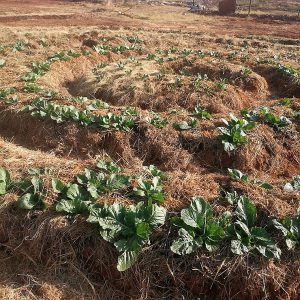
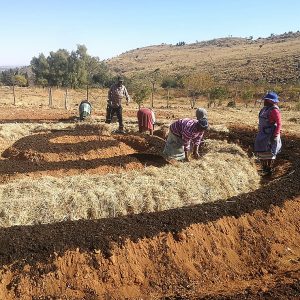
One of the traditions which remain is the culture of children playing in the streets. This was a result of the lack of sporting or recreational facilities. Apart from the ever-popular soccer games, one can also view children’s traditional African games.This Garden was established with the children in the area to serve as a much needed source of food and nutrition. The nearby nutrition centre is supplied with all crops from this garden. Excess crops are being sold to raise funds for additional economic support to the child headed households in the area.
Thoughtful Path School Garden
Back to the archive >Products
- Bell pepper
- Spinach
- Avocado
- Onion
- Tomato
- Lettuce
- Cabbage
- Lemon
- Peach
Slow Food in South Africa
In the “Rainbow Nation,” indigenous ethnic groups—the Zulu, Xhosa, Venda and Tsonga to name just a few—have over the centuries been joined by Portuguese, British and Dutch colonizers, then subsequently by waves of Asian immigration. South Africa has the highest number of people of Indian descent outside of India in the world. Hundreds of languages are spoken across the many diverse environments, from the temperate and Mediterranean-like West Cape to the arid Karoo and the subtropical northeast. But the country’s spectacular biodiversity is being destroyed by human activity. Agricultural biodiversity, for example, has been drastically reduced due to the widespread use of GMO seeds. Around 80% of the maize being cultivated is genetically modified. This type of agriculture is linked to the similarly industrialized production of foods high in sugar, salt, fat, additives and refined flour, creating eating habits that are leading to a rapid increase in heart disease and obesity. For these reasons, the Slow Food network in South Africa is working to highlight the relationship between food and health. Awareness is being raised among consumers about the importance of eating local, seasonal food, and the Slow Meat campaign is promoting more responsible meat consumption, with lower quantities, higher quality and the use of different cuts to avoid waste. It is not just consumers who are in need of better information. South Africa also has many small-scale farming families with little basic knowledge who urgently need technical training in order to help them develop sustainable agriculture practices. The 10,000 Gardens in Africa project is therefore of particular importance to the country’s development and the health of its people.
Garden Informations
| Type: | School Garden |
| Surface in m2: | 2000 |
| People involved: | 200 |
| Coordinator: | Tim Abaa |