Slow Food
  • Donate
  • Join us
  • Italian
  • English
Slow Food Foundation

Search

  • Home
  • About us
    • What is the Foundation?
  • What We Do
    • Slow Food Gardens in Africa
    • Slow Food Presidia
    • Ark of Taste
    • Slow Food Cooks’ Alliance
    • Earth Markets
    • What is the Narrative Label?
  • Get involved
    • Why Support Us
    • Italian Slow Food Presidia Sponsors
  • Multimedia
    • Publications
    • Video
    • Gallery
    • News archive
    • Photo archive
  • Contacts
Slow Food Foundation Slow Food Foundation
  • Home
  • About us
    • What is the Foundation?
  • What We Do
    • Slow Food Gardens in Africa
    • Slow Food Presidia
    • Ark of Taste
    • Slow Food Cooks’ Alliance
    • Earth Markets
    • What is the Narrative Label?
  • Get involved
    • Why Support Us
    • Italian Slow Food Presidia Sponsors
  • Multimedia
    • Publications
    • Video
    • Gallery
    • News archive
    • Photo archive
  • Contacts

Search

Home » 10.000 Orti in Africa » Mekane Jesus School Garden, Gidole

Mekane Jesus School Garden, Gidole

Back to the archive >

Ethiopia

Southern Nations

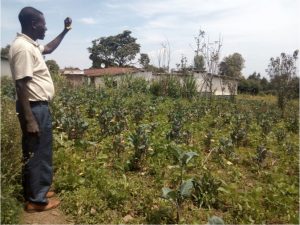
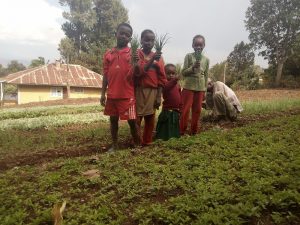
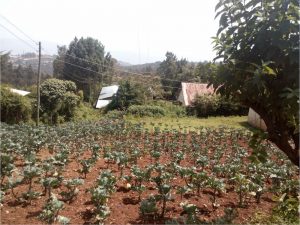
Gidole Mekane Eyesus garden was established in 1951 with missionaries next to the district hospital, which is found in SNNPR, Segen zone, Derashe district, 80 km from Arbaminch to the south west. The total area of the compound is 5 ha, mostly covered with buildings and natural forest: they have a primary school within the compound and a vocational training center. They cultivate highland cabbage, carrot, white cabbage, beetroot, and apple and avocado trees are planted along the hill sides. They have also beehives producing honey and at the same time they have milk cows producing milk.
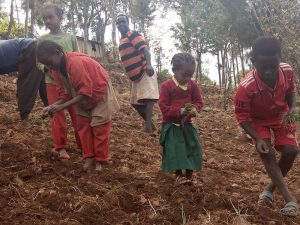
Compared to the accessible land they have, there is considerable potential to expand the garden project but they don’t have the skills and knowledge to manage the system in organic way; therefore, they are forced to use chemicals to control pests, which directly affects the bees, they have no idea how to recycle all organic waste from plants and animals, and finally, they don’t want to use chemicals anymore because they realize that it is affecting biodiversity including their bees. That is why they contacted Slow Food: to consult them on how to follow the Slow Food philosophy. They decided to organize training on natural pest controlling mechanisms and domestic waste management for a group of young team 60 males and 30 females who are highly motivated to work physically on 5000 m2 area in their free time. The products they sell are vegetables, fruits and fodder to sustain the project. The agro-ecology of the region is considered semi-humid, at an altitude of 2,239 m asl, and the topography of the land is hillsides. The main water source is tap water and the garden is on hill sides facing to east exposed to the morning sun.

Area
SNNPR, Segen zone, Derashe district

Coordinators
Wondwosen Legese
Amanuel Samuel
Slow Food in Ethiopia

Slow Food has been active in Ethiopia since 2006, launching numerous projects in support of the most vulnerable local communities: nomadic herders, traditional forest beekeepers, wild coffee harvesters, indigenous groups and others. Through the Presidia and working with the communities, training activities have been run to strengthen the organization of small-scale producers and to promote and improve the quality of various foods like honey, camel milk, coffee, traditional grains and spices. Slow Food coordinators promote agroecological techniques—applying them in school and community food gardens—in the most diverse ecosystems, from forests and highlands to nature reserves and semi-arid zones. They are also working to save biodiversity and traditional knowledge. A number of educational projects have objectives that include the involvement of young people and women and awareness-raising around themes of strategic importance at a national and international level: the privatization of resources, the use of toxic chemicals in agriculture, the right to land. Educational materials have been produced in Amharic and Oromo, the main local languages. Every year, Ethiopian delegates participate in Slow Food’s international events (Salone del Gusto and Terra Madre, Indigenous Terra Madre, Cheese, Terra Madre Giovani and more) as well as other events thanks to collaborations with different organizations.

Garden Informations

Type:School Garden
Coordinator:Amanuel Samuel Menna
Sibling with:Table for Two International

Photos

Subscribe to the newsletter

Slow Food gratefully acknowledges funding support from European Union. The contents of this website are the sole responsibility of Slow Food and the CINEA is not responsible for any use that may be made of the information contained therein.
Slow Food - P.IVA 02743970044 - Privacy Policy - Cookie Policy - All rights reserved
Powered by Blulab