Slow Food
  • Donate
  • Join us
  • Italian
  • English
Slow Food Foundation

Search

  • Home
  • About us
    • What is the Foundation?
  • What We Do
    • Slow Food Gardens in Africa
    • Slow Food Presidia
    • Ark of Taste
    • Slow Food Cooks’ Alliance
    • Earth Markets
    • What is the Narrative Label?
  • Get involved
    • Why Support Us
    • Italian Slow Food Presidia Sponsors
  • Multimedia
    • Publications
    • Video
    • Gallery
    • News archive
    • Photo archive
  • Contacts
Slow Food Foundation Slow Food Foundation
  • Home
  • About us
    • What is the Foundation?
  • What We Do
    • Slow Food Gardens in Africa
    • Slow Food Presidia
    • Ark of Taste
    • Slow Food Cooks’ Alliance
    • Earth Markets
    • What is the Narrative Label?
  • Get involved
    • Why Support Us
    • Italian Slow Food Presidia Sponsors
  • Multimedia
    • Publications
    • Video
    • Gallery
    • News archive
    • Photo archive
  • Contacts

Search

Home » 10.000 Orti in Africa » Gara-Ankadilanana Community Garden

Gara-Ankadilanana Community Garden

Back to the archive >

Madagascar

Fianarantsoa

The Gara-Ankadilnana community garden is 9 km (towards RN 27) north of Ihosy, in the Ihosy district, Ihorombe region.
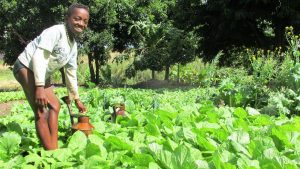
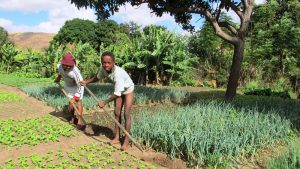
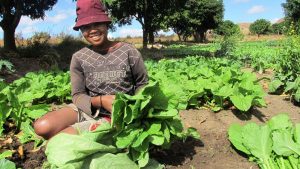
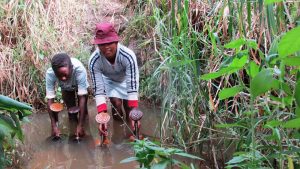
This garden takes up 25 ares and was established by 6 young members. Like other vegetable gardens, its aim is to improve growing techniques. The beneficiaries collaborate with Slow Food International through the community garden to launch the vegetable garden project in Africa.
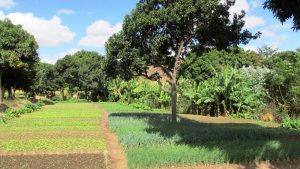
Different plants are grown by the members, like “petsaï” and “tissam” (leafy green vegetables), onions and black nightshade. There are also fruit trees like mango, banana and avocado. The water used for irrigating the lands is from nearby streams, about 4 km away. The land is subdivided into small plots, each one growing something different. Garden produce is first of all destined to be consumed; if there is any left, it is sold to Ihosy (the capital of Ihorombe) market sellers for direct sale.
Previously, the beneficiaries already used organic fertiliser like manure and compost. But to combat pests and diseases, they still used chemicals. Work is still needed to change this practice to using natural methods. After setting up the vegetable garden, there was sensitivity training and today we see that little by little they have left their erroneous ways behind.
In addition, we noticed that the members are dynamic, growing produce out of season to diversify their agricultural activities. They are always seeking to improve their efforts and deepen their knowledge.
On the other hand, this garden is a kind of experience exchange between one farmer and another, reinforcing the solidarity among them since they have common work in tending their garden.
The beneficiaries are designing an enlargement bit by bit of the garden area for more produce and income thanks to the sale of their produce. They will all profit from common revolving funds.

Area
Gara-Ankadilanana, Ihosy district, Ihorombe region

Coordinator
Pierre Olivier Randriamampionona
Slow Food in Madagascar

The Indian Ocean island of Madagascar is known for its rich biodiversity. The country’s rainforest is home to a large number of different animals and plants, and around 90% of these species are endemic. Despite this natural wealth, Madagascar is one of the world’s poorest countries and its extraordinary resources are under relentless threat from deforestation, overexploitation and land grabbing. In countries like Madagascar, the sustainable use of natural resources is crucial to guaranteeing food security. The Slow Food network in Madagascar has been growing since 2004, the year of the first Terra Madre gathering. The convivia participate in many local events to raise awareness among consumers, and are actively researching products for the Ark of Taste. Since 2012, Slow Food community and school food gardens have been producing fresh, diversified food for local communities and educating young people about agrobiodiversity. Two Presidia have also been established in the country, Mananara Vanilla and Alaotra Lake Ancient Rice Varieties.

Garden Informations

Type:Community Garden
Surface in m2:2500
People involved:6
Slow Food Convivium:Ihorombe Convivium
Coordinator:Pierre Olivier Randriamampionona
Sibling with:In memory of Flavio Franceschet

Photos

Subscribe to the newsletter

Slow Food gratefully acknowledges funding support from European Union. The contents of this website are the sole responsibility of Slow Food and the CINEA is not responsible for any use that may be made of the information contained therein.
Slow Food - P.IVA 02743970044 - Privacy Policy - Cookie Policy - All rights reserved
Powered by Blulab