Slow Food
  • Donate
  • Join us
  • Italian
  • English
Slow Food Foundation

Search

  • Home
  • About us
    • What is the Foundation?
  • What We Do
    • Slow Food Gardens in Africa
    • Slow Food Presidia
    • Ark of Taste
    • Slow Food Cooks’ Alliance
    • Earth Markets
    • What is the Narrative Label?
  • Get involved
    • Why Support Us
    • Italian Slow Food Presidia Sponsors
  • Multimedia
    • Publications
    • Video
    • Gallery
    • News archive
    • Photo archive
  • Contacts
Slow Food Foundation Slow Food Foundation
  • Home
  • About us
    • What is the Foundation?
  • What We Do
    • Slow Food Gardens in Africa
    • Slow Food Presidia
    • Ark of Taste
    • Slow Food Cooks’ Alliance
    • Earth Markets
    • What is the Narrative Label?
  • Get involved
    • Why Support Us
    • Italian Slow Food Presidia Sponsors
  • Multimedia
    • Publications
    • Video
    • Gallery
    • News archive
    • Photo archive
  • Contacts

Search

Home » 10.000 Orti in Africa » Anosikely Community Garden

Anosikely Community Garden

Back to the archive >

Madagascar

Antananarivo

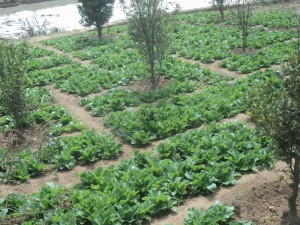
The Anosikely gardens are found in Itaosy, a rural community to the west of the capital Antananarivo. The gardens are found on the edge of rice paddies and are about 26 ares in size, with loamy soil. The locals are quite fortunate to have a nearby source of water, ponds and a river that passes right next to their gardens.
Generally the majority of the gardening work is performed by the women and children after school. The garden is cultivated by 11 families, each of which manage their own personal parcels of land, selling the surplus products after having taken what they need for their personal consumption. The revenues are used to send the children to school and to buy animals to raise.
These gardens could act as showcases for the non-use of chemical products like NPK, DDT, etc. They have also helped show that it is possible to produce food that provides a good, clean and fair diet without the use of chemical products.
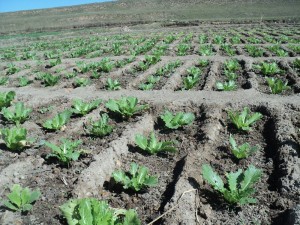
Within the gardens the locals have abandoned their old agricultural habits and practice new techniques. Various kinds of produce are grown here, like potatoes, beans, green beans, zucchini, and leafy vegetables (particularly Acmella Oleracea, a green leafy vegetable that is used quite often to accompany fatty meat dishes). There are also some fruit trees (peach and citrus) in some of the parcels.
Mixed cropping is used to fertilize the soil, along with burying grasses that are found in the field and the use of manure from nearby farms.
The plants are maintained in good health using all natural products, like sisal, hot pepper, garlic, comfrey and by irrigating the plants manually.

Area
Annosikely, Itaosy rural community, Analamanga region

Coordinator
Edmond Randrianarivony
Slow Food in Madagascar

The Indian Ocean island of Madagascar is known for its rich biodiversity. The country’s rainforest is home to a large number of different animals and plants, and around 90% of these species are endemic. Despite this natural wealth, Madagascar is one of the world’s poorest countries and its extraordinary resources are under relentless threat from deforestation, overexploitation and land grabbing. In countries like Madagascar, the sustainable use of natural resources is crucial to guaranteeing food security. The Slow Food network in Madagascar has been growing since 2004, the year of the first Terra Madre gathering. The convivia participate in many local events to raise awareness among consumers, and are actively researching products for the Ark of Taste. Since 2012, Slow Food community and school food gardens have been producing fresh, diversified food for local communities and educating young people about agrobiodiversity. Two Presidia have also been established in the country, Mananara Vanilla and Alaotra Lake Ancient Rice Varieties.

Garden Informations

Type:Community Garden
Coordinator:Edmond Randrianarivony
Sibling with:Giulia and Tommaso Cercé

Photos

Subscribe to the newsletter

Slow Food gratefully acknowledges funding support from European Union. The contents of this website are the sole responsibility of Slow Food and the CINEA is not responsible for any use that may be made of the information contained therein.
Slow Food - P.IVA 02743970044 - Privacy Policy - Cookie Policy - All rights reserved
Powered by Blulab