Slow Food
  • Donate
  • Join us
  • Italian
  • English
Slow Food Foundation

Search

  • Home
  • About us
    • What is the Foundation?
  • What We Do
    • Slow Food Gardens in Africa
    • Slow Food Presidia
    • Ark of Taste
    • Slow Food Cooks’ Alliance
    • Earth Markets
    • What is the Narrative Label?
  • Get involved
    • Why Support Us
    • Italian Slow Food Presidia Sponsors
  • Multimedia
    • Publications
    • Video
    • Gallery
    • News archive
    • Photo archive
  • Contacts
Slow Food Foundation Slow Food Foundation
  • Home
  • About us
    • What is the Foundation?
  • What We Do
    • Slow Food Gardens in Africa
    • Slow Food Presidia
    • Ark of Taste
    • Slow Food Cooks’ Alliance
    • Earth Markets
    • What is the Narrative Label?
  • Get involved
    • Why Support Us
    • Italian Slow Food Presidia Sponsors
  • Multimedia
    • Publications
    • Video
    • Gallery
    • News archive
    • Photo archive
  • Contacts

Search

Home » 10.000 Orti in Africa » Matiyani Community Garden

Matiyani Community Garden

Back to the archive >

South Africa

Limpopo

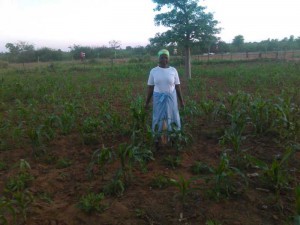
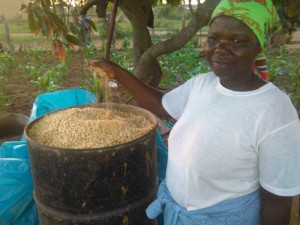
This 1.5 ha community garden was founded by a group of seven women who wanted to produce food in order to save money for other uses. The garden is situated in Matiyani village, Malamulele, in Limpopo province, and operates on land that has been allocated by the Tribal Authority in the area.
The garden is cultivated only during the summer rainy season, and the soil is rich in nutrients so that crops that are cultivated can easily adapt to the local climatic condition, which is low land.
The women have attended agro-ecological training workshops and have purchased hoes, picks, rakes, wheelbarrows, and axes, among other garden equipment.
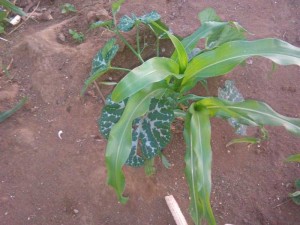
Summer crops grown on the parcel include: peanuts, corn, watermelon, legumes, baby marrow, and tindluwa (which looks like and is planted like peanuts, but can only be eaten when cooked, and it is mainly used as an ingredient in some indigenous dishes such as Tihove and Xiendlahivomu).
The garden’s produce is used mainly for personal consumption.

Area
Matiyani village, Giyani, Limpopo province.

Coordinator
Sarah Mahori
Slow Food in South Africa

In the “Rainbow Nation,” indigenous ethnic groups—the Zulu, Xhosa, Venda and Tsonga to name just a few—have over the centuries been joined by Portuguese, British and Dutch colonizers, then subsequently by waves of Asian immigration. South Africa has the highest number of people of Indian descent outside of India in the world. Hundreds of languages are spoken across the many diverse environments, from the temperate and Mediterranean-like West Cape to the arid Karoo and the subtropical northeast. But the country’s spectacular biodiversity is being destroyed by human activity. Agricultural biodiversity, for example, has been drastically reduced due to the widespread use of GMO seeds. Around 80% of the maize being cultivated is genetically modified. This type of agriculture is linked to the similarly industrialized production of foods high in sugar, salt, fat, additives and refined flour, creating eating habits that are leading to a rapid increase in heart disease and obesity. For these reasons, the Slow Food network in South Africa is working to highlight the relationship between food and health. Awareness is being raised among consumers about the importance of eating local, seasonal food, and the Slow Meat campaign is promoting more responsible meat consumption, with lower quantities, higher quality and the use of different cuts to avoid waste. It is not just consumers who are in need of better information. South Africa also has many small-scale farming families with little basic knowledge who urgently need technical training in order to help them develop sustainable agriculture practices. The 10,000 Gardens in Africa project is therefore of particular importance to the country’s development and the health of its people.

Garden Informations

Type:Community Garden
Surface in m2:10000
Coordinator:Grace Mathebula Mafanato
Sibling with:Gruppo 185 Thiene, Amnesty International, Italy

Photos

Subscribe to the newsletter

Slow Food gratefully acknowledges funding support from European Union. The contents of this website are the sole responsibility of Slow Food and the CINEA is not responsible for any use that may be made of the information contained therein.
Slow Food - P.IVA 02743970044 - Privacy Policy - Cookie Policy - All rights reserved
Powered by Blulab