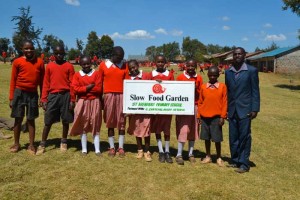
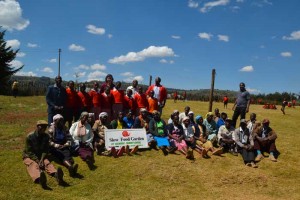
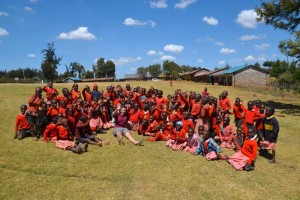
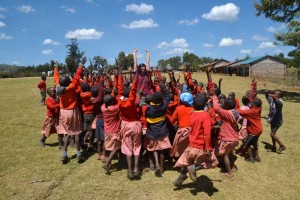
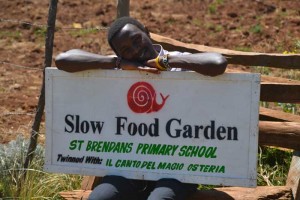
Located in Turi, Nakuru County, the school garden project was started in 2005 with a partnership between the NECOFA (Network for Ecofarming in Africa) Kenya, Slow Food foundation for Biodiversity and Slow Food central Rift convivium. The size of the garden is about ¼ an acre. The School has a total number of 600 pupils with 50 (between the age of 10 and 14 years) students involved in the garden activities. They has primarily focussed on production of local varieties with crops grown on the garden being: Spider weed, black-night shade, sorghum, millet, potatoes, cabbages, kales etc. The have been sourcing some seeds from the farmers around the school but they have now started saving their own seeds. The crops are grown in an organic way mainly utilizing the farmyard manure, green manure and chicken droppings. They are not yet in position of producing their own manure but students have been bringing some from home, this also applies to the tools used. As far as flighting diseases and pests is concerned they have been using some natural methods of disease and pest control mainly using plant based extracts that act as natural defense/treatment against pest/diseases. Some of the plants used are: stinging nettle, datura, Mexican Marigold. They have some tap water for irrigation but is is not sufficient to cater for the school and garden requirements. They also practice crop rotation. The products from the garden are used for supplementing the school feeding program and some sold to the community.
Garden Location
St. Brendan Primary School, Molo district, Nakuru County
Coordinator
Elin Duby