Slow Food
  • Donate
  • Join us
  • Italian
  • English
Slow Food Foundation

Search

  • Home
  • About us
    • What is the Foundation?
  • What We Do
    • Slow Food Gardens in Africa
    • Slow Food Presidia
    • Ark of Taste
    • Slow Food Cooks’ Alliance
    • Earth Markets
    • What is the Narrative Label?
  • Get involved
    • Why Support Us
    • Italian Slow Food Presidia Sponsors
  • Multimedia
    • Publications
    • Video
    • Gallery
    • News archive
    • Photo archive
  • Contacts
Slow Food Foundation Slow Food Foundation
  • Home
  • About us
    • What is the Foundation?
  • What We Do
    • Slow Food Gardens in Africa
    • Slow Food Presidia
    • Ark of Taste
    • Slow Food Cooks’ Alliance
    • Earth Markets
    • What is the Narrative Label?
  • Get involved
    • Why Support Us
    • Italian Slow Food Presidia Sponsors
  • Multimedia
    • Publications
    • Video
    • Gallery
    • News archive
    • Photo archive
  • Contacts

Search

Home » 10.000 Orti in Africa » Jardin scolaire Masse Massaer Niane I

Jardin scolaire Masse Massaer Niane I

Back to the archive >

Senegal

Dakar

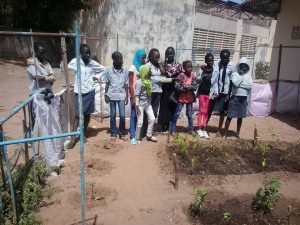
The Masse Massaer Niane school has 14 classes, with 400 students and 20 teachers in total. It is located in the Baobabs neighborhood in Dakar. Teachers, students and farmers in the community work together in the garden, as an educational activity. Students have different chores, depending on their age. The youngest irrigate, eliminate weeds and learn how to recognize plants. The oldest sow seeds, transplant seedlings, prepare the soil, harvest ripe products and then sell them.
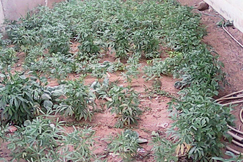
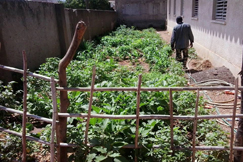
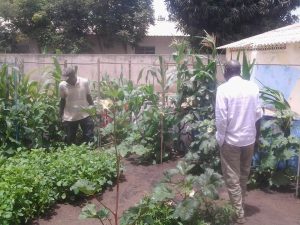
The garden produces carrots, beets, peppers, chilies and okra. Medicinal plants are also grown, such as khewar (to fight fatigue), mbantamare (useful against malaria) and moringa, banana, mango, guava, pomegranate, coconut, ditakh and baobab trees. There is also a small chicken coop. Part of the harvest is sold, part of it is cooked at the school cafeteria, where meals are served to students who come from far away and cannot go back home for lunch.

Area
Baobabs neighborhood, Dakar, Dakar region

Coordinator
Emilie Thiandoum
Slow Food in Senegal

Despite a diversified industrial base, agriculture and fishing are the dominant sectors in Senegal’s national economy and employ 50% of the active population. Agriculture, in particular, underwent profound transformations during the colonial period, with the gradual replacement of subsistence crops with monocultures destined primarily for export, like peanuts. This led to changes in the food habits of the Senegalese. For example, in urban areas rice is now eaten every day instead of millet and fonio; though hardy, better suited to the local environment and incredibly nutritious, these grains are now considered “poor.” The Slow Food network has been developing here since 2004, working on food education in schools and creating educational food gardens. The mapping of local foods and dishes led to the creation of the Fadiouth Island Salted Millet Couscous Presidium. Members of Italy’s Senegalese diaspora are now also getting involved in setting up sustainable agricultural activities in their home country.

Garden Informations

Type:School Garden
Surface in m2:35
Coordinator:Fatou Bintou Camara
Sibling with:Siracusa Slow Food Convivium, Italy

Photos

Subscribe to the newsletter

Slow Food gratefully acknowledges funding support from European Union. The contents of this website are the sole responsibility of Slow Food and the CINEA is not responsible for any use that may be made of the information contained therein.
Slow Food - P.IVA 02743970044 - Privacy Policy - Cookie Policy - All rights reserved
Powered by Blulab