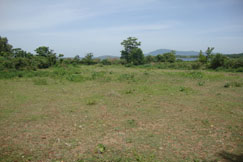
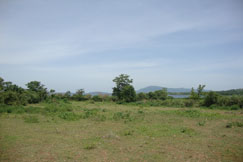
The group is based in Kamayoge village, Rusinga west, Homabay county. The village has a total number of about 8000 people. The group was started in in 2004 and registered under the ministry of gender and social affairs in the same year. It consists of 20 members (10 women, 5 men and 5 youth). More than half of the group are HIV positive with majority of the women involved being widows. The main driving force towards the formation of the group was the rise in cases of HIV/AIDS infection in the community. They decided to form the group as a platform whereby they can meet and discuss issues related to HIV/AIDS i.e. how to cope with the disease, create HIV awareness and educate the community as whole on ways of protecting themselves from HIV infection. A part from raising awareness on HIV/AIDS, the group is also engaged in environmental protection awareness though tree planting and clean up activities at the beaches. The group has a one acre rented plot of land that is planted with maize with earlier crop being water melon. The harvests from the garden are mainly sold to a nursery school nearby. The major threat to the crops are the hippos, which invade the gardens destroying all the crops. Some of the community members opt to employ watchmen to scare the hippos by the use of fire. Sometimes the hippos are so aggressive, due to this watchmen mount their tents close to trees for safety purposes. The communities living in the island have for long depended on fishing for their livelihood but they are turning to farming due to reduced fish count in Lake Victoria due to too much pressure on the lake due to over fishing. The blame not only goes to small-scale fishermen but also to the government and fish processing plants. The garden is located close to the lake, where irrigation can be carried out as the island receives minimal rainfall. A pump is used for pumping the water from the lake to the garden. They have not been applying organic principles in the management of the garden. One member has decided to contribute an acre piece of land for the development of a Slow Food garden under the 1000 Gardens in Africa project. This garden will act as demonstration plot where group members can learn different methods of increasing food productivity and income by embracing sustainable agriculture. Those living with HIV/AIDS will also have an opportunity of learning the importance of traditional foods/leafy vegetables in supplementing their micro-nutrients intake of improved health. The group is collaborating with Badilisha Eco Village that promotes permaculture farm design techniques and ethics: Earth Care, People Care and Share of Surplus. Badilisha is a model farm, or epicenter, for both sustainable agriculture and holistic community development. Badilisha means “change” in Swahili. Badilisha aims to bring change to the lives of people on Rusinga Island, who face challenges such as food insecurity, HIV/AIDs, lack of education, among other pressing issues. It also seeks to inspire change in the general paradigms of local and international individuals, towards a more holistic and responsible worldview.
Area
Kamayoge village, Mbita District
Coordinator
Evan Owour