Slow Food
  • Donate
  • Join us
  • Italian
  • English
Slow Food Foundation

Search

  • Home
  • About us
    • What is the Foundation?
  • What We Do
    • Slow Food Gardens in Africa
    • Slow Food Presidia
    • Ark of Taste
    • Slow Food Cooks’ Alliance
    • Earth Markets
    • What is the Narrative Label?
  • Get involved
    • Why Support Us
    • Italian Slow Food Presidia Sponsors
  • Multimedia
    • Publications
    • Video
    • Gallery
    • News archive
    • Photo archive
  • Contacts
Slow Food Foundation Slow Food Foundation
  • Home
  • About us
    • What is the Foundation?
  • What We Do
    • Slow Food Gardens in Africa
    • Slow Food Presidia
    • Ark of Taste
    • Slow Food Cooks’ Alliance
    • Earth Markets
    • What is the Narrative Label?
  • Get involved
    • Why Support Us
    • Italian Slow Food Presidia Sponsors
  • Multimedia
    • Publications
    • Video
    • Gallery
    • News archive
    • Photo archive
  • Contacts

Search

Home » 10.000 Orti in Africa » Sintcham Niel Community Garden

Sintcham Niel Community Garden

Back to the archive >

Guinea Bissau

Bafatá

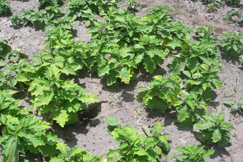
A community of 80 people works this garden; 60 of these are women. Together they cultivate a plot of 50 meters by 65 meters and in it they grow tomatoes, onions, lettuce, hibiscus, pepper, cabbage, djagatu and in the wet season even cucumbers. The seeds they use are local and the produce is exchanged at Senegalese markets because the garden is very close to the border.

Area
Santa Niel village, Contuboel area, Batafá region
Products

  • Tomato
  • Onion
  • Lettuce
  • Hibiscus / Roselle
  • Pepper
  • Cucumber
  • Cabbage
  • Guinea squash

Slow Food in Guinea Bissau

Guinea Bissau is a very special country: Despite its small size, 30 ethnic groups coexist here, each preserving as much as possible their own culture and customs, often linked to agriculture. The local biodiversity is under constant threat from agroindustry, which is pushing farmers to abandon their traditional crops and turn instead to commodities for export. This means being subject to the laws of the foreign markets and having to buy in imported foods, first and foremost white rice from Asia. Slow Food launched the 10,000 Gardens in Africa project here in 2012, uniting small-scale family farmers into communities, who with the help of local agronomists can work to preserve their traditional crops. Two important projects were started alongside the gardens, the Farim Salt Presidium and the Wild Palm Oil Presidium, both in the Cacheu region.

Garden Informations

Type:Community Garden
Surface in m2:4000
People involved:80
Coordinator:Umo Seidi
Sibling with:Eataly, Italy

Photos

Subscribe to the newsletter

Slow Food gratefully acknowledges funding support from European Union. The contents of this website are the sole responsibility of Slow Food and the CINEA is not responsible for any use that may be made of the information contained therein.
Slow Food - P.IVA 02743970044 - Privacy Policy - Cookie Policy - All rights reserved
Powered by Blulab