Slow Food
  • Donate
  • Join us
  • Italian
  • English
Slow Food Foundation

Search

  • Home
  • About us
    • What is the Foundation?
  • What We Do
    • Slow Food Gardens in Africa
    • Slow Food Presidia
    • Ark of Taste
    • Slow Food Cooks’ Alliance
    • Earth Markets
    • What is the Narrative Label?
  • Get involved
    • Why Support Us
    • Italian Slow Food Presidia Sponsors
  • Multimedia
    • Publications
    • Video
    • Gallery
    • News archive
    • Photo archive
  • Contacts
Slow Food Foundation Slow Food Foundation
  • Home
  • About us
    • What is the Foundation?
  • What We Do
    • Slow Food Gardens in Africa
    • Slow Food Presidia
    • Ark of Taste
    • Slow Food Cooks’ Alliance
    • Earth Markets
    • What is the Narrative Label?
  • Get involved
    • Why Support Us
    • Italian Slow Food Presidia Sponsors
  • Multimedia
    • Publications
    • Video
    • Gallery
    • News archive
    • Photo archive
  • Contacts

Search

Home » 10.000 Orti in Africa » Kasongwe Primary School Garden

Kasongwe Primary School Garden

Back to the archive >

Malawi

Northern Region

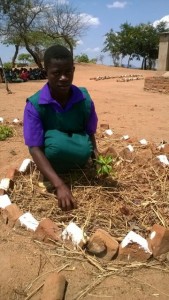
The local chiefs development committee established Kasongwe Local Education Authority primary school in 2008 to help young scholars in Vumbo area access kindergarten education. Kasongwe area has been historical for high school dropouts and early marriages because there was no school nearby so student as young as six years old had to walk eight km to access education. This rendered them prone to ill social behavior from the community and other disturbances.
The school is in the jurisdiction of village headman Kamtembo under Paramount Chief Chikulamayembe in the Rumphi district.
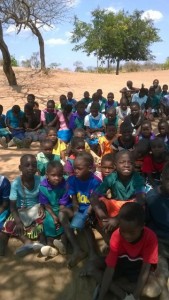
The school has an enrolment of 280 students (130 boys and 150 girls). Students who participate in the gardening work are drawn from grades 5, 6 and 7 and their ages range from 11-15 years old.
The school has a garden measuring 0.4 ha and the local crops grown include: sorghum (“mapemba”), ground peas (“zgama”), local maize (“kafula”), soy beans, millet (“malezi”), sweet potatoes (“mphatata”), cassava (“mbundumale”), local leafy vegetables like “kamuganje” (mustard), “nyungu” (pumpkins), “berekete” (amaranth) and “luni” (indigenous vegetable similar to amaranth).
The harvest is consumed by the students, while the surplus is sold to cover the school’s expenses.
The soil’s fertility is boosted using animal manure from poultry, cattle and goats that is gathered from homes, along with other compost manure.
During the dry season water is a big challenge; women and kids walk over five km distance to fetch water for domestic use.

Area
Village headman Kamtembo, Paramount Chief Chikulamayembe, Rumphi district

Coordinators
Samuel C. Luhanga
Juma Nyirenda
Slow Food in Malawi

Malawi’s economy is based on agriculture: 85% of the population lives in rural areas and most are farmers. Between the 1980s and ‘90s, the introduction of hybrid seeds and chemical fertilizers brought the agricultural system to its knees, leading to a definitive collapse during the 2015-2016 harvest season, when a drought left more than 6 million Malawians without food and unmasked the false promises of agroindustry. This is why the Gardens in Africa project is of particular importance to Malawi, with many training sessions organized by Slow Food coordinators bringing attention back to simple farming techniques that indigenous peoples like the Tumbuka, Chewa, Yao, Ngonde, Sena and Phoka have never given up. Slow Food has concentrated on raising awareness among younger generations, organizing small-scale events and education activities in schools. The first school gardens were started in the north of the country, around Livingstonia, Mzuzu and Rumphi, and then spread to the central area, near the capital of Lilongwe. The Slow Food network has developed around the 10,000 Gardens in Africa project. The association is well known to the national authorities and civil society, as was demonstrated during Terra Madre Malawi, held on July 4, 2015, in the Lura school garden. Students, parents and farmers were joined by representatives from indigenous communities, the agriculture, health and education ministries and local NGOs like Find Your Feet.

Garden Informations

Type:School Garden
Slow Food Convivium:Bumba Convivium
Coordinator:Manvester Ackson Khoza
Sibling with:Verso Foundation, Luxembourg

Photos

Subscribe to the newsletter

Slow Food gratefully acknowledges funding support from European Union. The contents of this website are the sole responsibility of Slow Food and the CINEA is not responsible for any use that may be made of the information contained therein.
Slow Food - P.IVA 02743970044 - Privacy Policy - Cookie Policy - All rights reserved
Powered by Blulab